Types of Martial Arts for Fitness, Confidence, Discipline and Personal Development
FIT DOJOS
Expert Team,
FITDOJOS.COM
Planning to join martial arts but don’t know how to start? You search “martial arts classes near me” and soon realize find different types of martial arts like Karate, Kickboxing, Taekwondo, Boxing, Judo, Brazilian Jiu-Jitsu and so on. After some time, you feel like choosing a class is more difficult than throwing your first punch.
Here’s the good news: you don’t need to become a martial arts expert before walking into a dojo.
The great thing is that you don’t have to know everything about martial arts before you join a dojo. Each types of martial arts have their own Identity, but most of all share the same benefits like improved physical fitness, increased confidence, discipline, resilience and defensive skills.
The important thing is to find the right one for you or your kids.
What Are the Main Types of Martial Arts?
There isn’t one universally agreed martial arts types list, because styles can overlap. However, most martial arts can loosely be grouped into a few categories.
- 🥊 Striking martial arts: Focus on punches, kicks and other stand-up techniques. Examples include karate, taekwondo, kickboxing and boxing.
- 🤼 Grappling martial arts: Focus more on throws, holds, submissions and controlling an opponent. Judo and Brazilian Jiu-Jitsu are well-known examples.
- 🥋 Traditional martial arts: Often combine physical techniques with structured progression, etiquette, discipline and personal development. Karate is a classic example.
- 🔥 Mixed or hybrid martial arts: Combine techniques from several disciplines. Mixed Martial Arts, or MMA, blends striking and grappling.
These categories aren't rigid boxes. A karate school may include practical self-defence, while a mixed martial arts dojo may teach kickboxing alongside wrestling or Brazilian Jiu-Jitsu. What matters just as much as the style itself is how the martial art is taught.
7 Popular Types of Martial Arts and What They Teach
1. Karate: Confidence, Discipline and All-Round Development
Karate is one of the most recognisable types of martial arts, and for good reason.
Training includes punches, kicks, blocks, combination moves, kata, and self-defense. Just as importantly, students learn to listen, practise consistently and keep working when something doesn't click immediately.
That structure makes karate especially appealing to families exploring martial arts for parents and kids, as well as adults looking for structured personal development alongside physical exercise.
For younger students, a well-designed kids karate program can introduce movement, focus, listening and confidence in an age-appropriate environment.
Younger beginners can also benefit from karate classes designed for little kids, where training can focus on simple instructions, coordination and positive participation.
Just think about a shy beginner taking their first steps in karate. Just stepping on the mats may be a frightening challenge for them. After a couple months, same student will hold head high, speaks confidently and doing moves they previously considered impossible.
That change doesn't happen by magic. It's progress made through.
If you want to explore how this process develops over time, our guide to karate and discipline looks more closely at the habits students can build through consistent training.
🥋 Best for: confidence, discipline, coordination, fitness and personal growth.
2. Taekwondo: Agility, Kicking and Coordination
Taekwondo is famous for dynamic kicking techniques.
Expect plenty of movement, balance, flexibility and coordination. Students progressively develop better control over their bodies while learning combinations and technical skills.
If spinning kicks look slightly terrifying right now, relax. Nobody expects a beginner to walk through the door looking like an action-movie hero.
Good training starts with foundations.
🦵 Best for: flexibility, agility, coordination and people who enjoy kick-focused training.
3. Kickboxing: Fitness Meets Practical Striking
Want a workout that doesn't feel like another miserable session staring at a treadmill timer?
Kickboxing might have your name on it.
Training commonly combines punches, kicks, combinations, footwork and conditioning. Because you're concentrating on technique, the workout can feel more purposeful than simply counting repetitions.
FitDojo offers kickboxing classes for people who want to combine martial arts technique with an energetic fitness experience.
🔥 Best for: cardiovascular fitness, striking skills, stress relief and coordination.
4. Boxing: Footwork, Fitness and Confidence
Boxing is generally considered both a combat sport and martial art centred on punching, defence, movement and footwork.
Its technical toolbox may look smaller than some martial arts because kicks and grappling aren't included, but mastering timing, distance, combinations and defensive movement takes serious skill.
Boxing training can also provide demanding cardiovascular conditioning while helping students develop sharper coordination and movement.
🥊 Best for: fitness, hand striking, footwork, timing and mental toughness.
5. Judo: Balance, Throws and Control
Judo takes a different approach.
Rather than concentrating primarily on punches and kicks, students learn throws, gripping, balance, pins and grappling skills.
Training also teaches you something surprisingly valuable: how to fall safely and get back up.
There's a life lesson hiding in there somewhere.
🤼 Best for: balance, grappling, body awareness and controlled competition.
6. Brazilian Jiu-Jitsu: Grappling and Problem-Solving
Brazilian Jiu-Jitsu, usually shortened to BJJ, focuses heavily on ground grappling, positional control and submissions.
People sometimes describe it as physical chess because success requires patience, timing and problem-solving rather than frantic movement.
For beginners, BJJ can be humbling, but that's part of its appeal. You learn, make mistakes, adjust and try again.
🧠 Best for: grappling, problem-solving, patience and ground-based skills.
7. Mixed Martial Arts: Combining Different Martial Arts Types
Mixed Martial Arts, or MMA, combines techniques from striking and grappling disciplines.
Depending on the mixed martial arts dojo or gym, training may draw from boxing, kickboxing, wrestling, BJJ, Muay Thai and other systems.
MMA can be exciting for people who want broad combat-sport skills, although beginners should look for coaches who prioritise fundamentals, controlled progression and safety.
🔥 Best for: varied training, striking, grappling and combat-sport development.
Types of Martial Arts Compared by Goal
There is no single martial art that is automatically best for everyone. Your goals, personality, preferred training style and stage of life all matter.
| Martial Art | Main Focus | Good For |
|---|---|---|
| Karate | Striking, technique, structured development | Confidence, discipline, fitness, kids and adults |
| Taekwondo | Kicking and movement | Flexibility, agility and coordination |
| Kickboxing | Punches, kicks and conditioning | Fitness, striking and stress relief |
| Boxing | Punching, movement and defence | Fitness, timing and footwork |
| Judo | Throws and grappling | Balance, control and competition |
| Brazilian Jiu-Jitsu | Ground grappling and submissions | Problem-solving, control and patience |
| Mixed Martial Arts | Striking and grappling | Broad combat-sport development |
Which Type of Martial Art Is Best for Your Goal?
Forget asking which martial art is universally “best.” Instead, ask what you want training to change.
- 🏃 For fitness: Kickboxing and MMA can provide energetic, varied workouts.
- 💪 For confidence and discipline: Karate's structured progression can make it especially attractive for children, teenagers and beginners.
- 🛡️ For self-defence skills: Look for training that develops awareness, control, appropriate responses and practical technique, not superhero promises.
- 🧒 For kids: A supportive karate program can combine movement with focus, listening, confidence and discipline.
- 🥊 For competition: Boxing, karate, taekwondo, judo, BJJ and MMA all provide competitive pathways with different rules and skills.
For families specifically interested in practical protection, our guide to karate styles for self-defence explains how different approaches can develop useful skills.
Teenagers may benefit from structured teen karate classes that give them a physical challenge while reinforcing focus, confidence and consistent effort.
Adults don't need previous experience either. Beginner-friendly martial arts classes for adults can help people work toward fitness, confidence and practical skills from their current ability level.
You don't have to “get fit first.” A beginner-friendly martial arts studio should help you progress from where you are now.
Why Martial Arts Can Build More Than Fitness
Think of two beginners. Both come to the class full of fear. Both find it hard to coordinate for the first time. Both sometimes confuse left from right and their teacher seems to see all.
One gives up and other one keeps attending class. With each passing week, skills are refined. Difficult moves become easy. Then something else begins to happen:
“I can't do this” becomes “I can't do this yet.”
This is where personal development comes in. In martial arts, there will always be opportunities for self-discipline, manage frustrations, get feedback and enjoy the sense of accomplishments earned.
To kids, this would translate into gaining comfort in listening and speaking confidently. To adults, it could translate to relaxing, becoming physically fit, or proving they can still learn new things.
What Should Beginners Expect From Their First Martial Arts Class?
Starting something new is often more intimidating in your imagination than it is once you actually walk through the door.
A good beginner class should introduce techniques progressively rather than expecting you to know what you're doing on day one.
Before your first lesson, it can help to read our guide on what parents should know before a first martial arts class.
Beginners interested in karate may also find it useful to understand basic karate positions and stances before getting deeper into training.
And while online resources can help reinforce concepts, there's an important difference between watching a technique and receiving real-time coaching. Our guide on learning karate online explores that distinction in more detail.
How to Choose the Right Martial Arts Studio
The name of the martial art matters, but the quality of the school matters more.
When comparing a martial arts studio, self-defence classes or karate school, look for qualified and attentive instructors, a welcoming atmosphere, age-appropriate classes, sensible safety practices and clear progression.
Most importantly, watch how beginners are treated.
- ✅ Are instructors patient and attentive?
- ✅ Are students encouraged without being humiliated?
- ✅ Is technique prioritised over ego?
- ✅ Do children look engaged and supported?
- ✅ Is progression appropriate for each student's experience?
If you want to learn more about the team, values and training philosophy behind FitDojo, visit our About FitDojo page.
Students who prefer individual attention can also explore private martial arts classes.
Looking for Karate or Martial Arts in Rockdale?
If you're specifically searching for karate in Rockdale, seeing the dojo in person can tell you far more than scrolling through another twenty search results.
A welcoming school should give new students the opportunity to understand the training environment, meet instructors and experience how classes are actually taught.
You can also explore FitDojo's Rockdale martial arts programs to find a training option suited to your age, experience and goals.
How Many Different Types of Martial Arts Are There?
There isn't a single official number. There are hundreds of recognised martial arts styles and variations around the world, ranging from traditional systems such as karate and judo to combat sports and modern mixed systems.
Instead of worrying about the exact number, narrow your martial arts types list according to your goals: fitness, confidence, discipline, competition, self-defence or personal development.
Ready to Discover Which Type of Martial Art Suits You?
Learning about the various types of martial arts can give you the idea. However, nothing beats getting to understand martial arts through experiencing it.
FitDojo provides training in martial arts for families, children, teens and adults that focus on fitness, confidence, discipline, self-defense and development.
In case you have been searching for karate classes for kids, self-defense classes or a supportive martial arts community, your next step does not have to be a difficult one. Simply take one class.
Your first kick or punch does not necessarily have to be the best. It simply has to be made.
Book your FitDojo trial class today and experience martial arts training for yourself.
Similar post
September 28, 2026
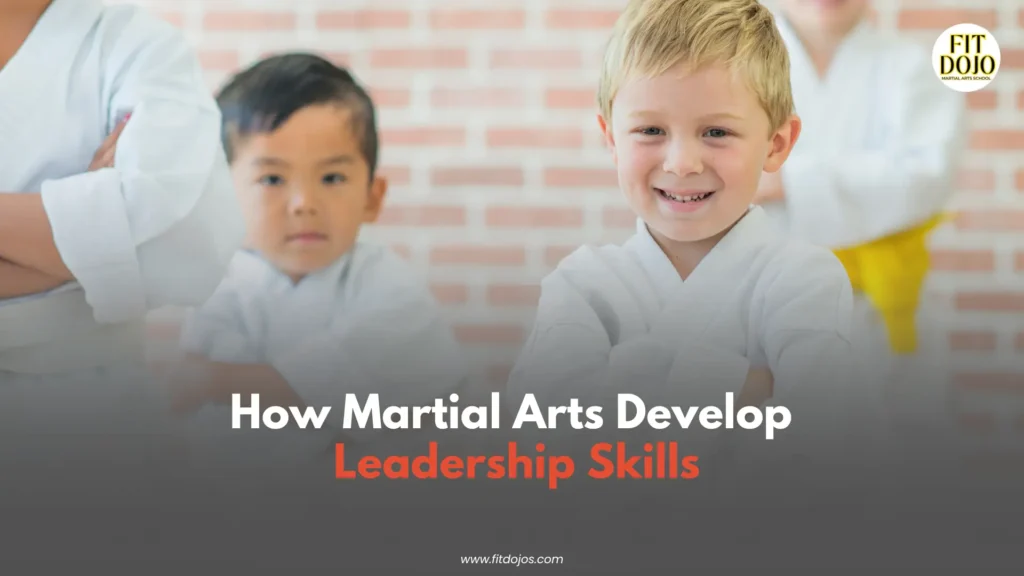
How Martial Arts Develop Leadership Skills
September 10, 2026
Why Sparring Fear Happens Even When You Know the Techniques