How Martial Arts Develop Leadership Skills

FIT DOJOS
Expert Team,
FITDOJOS.COM
If you have seen your child panic when it's time to speak in front of the class or in a group project not taking the lead, this is where leadership skills are needed and it's not people who are born with it. Children don't build leadership skills when they become adults, they need to learn, practice, and improve over time.
One of the best ways that a child can build leadership skills is not in school, it's in martial arts. Children can repeatedly practice in an organized environment with martial arts. In addition to kicks, blocks, punches, and self-defense methods, children learn discipline, confidence, communication, resilience, responsibility, and respect.
Reason Martial Arts and Leadership Skills Are Connected
Good leadership does not mean that you are the best in the room or giving instruction to others. Main qualities that every good leader needs to have is to listen to others, good communication, responsibility, calmness and be a role model for others.
As we look at the martial arts, positive behaviour starts to show when continually training. In training, children need to listen to their instructor and show the techniques, practice the same things multiple times, respect training partners, accept feedback and in future they can help new students by showing the things they have learned.
This process also supports a healthy martial arts mindset, where improvement comes from patience, consistency, responsibility, and the willingness to learn from mistakes.
Similarly, children should never be ashamed of making mistakes or quit when things don't go right. In martial arts, children practices same technique hundred times before master in it. The most important leadership lesson that needs to be learned is that progress needs patience and persistence.
Martial arts turns leadership from an idea into something children can practise.
10 Leadership Skills You Can Develop Through Martial Arts
Martial arts develops much more than physical ability. When taught in a positive and structured environment, training gives children regular opportunities to practise qualities associated with effective leadership.
- Discipline and self-control: Students learn to follow instructions, control their movements, wait for the right moment, and stay focused even when they are excited or frustrated.
- Confidence: Learning new techniques and progressing through training can help children trust their abilities without feeling the need to show off.
- Communication: Partner exercises encourage students to listen, speak clearly, ask appropriate questions, and respond respectfully.
- Leading by example: More experienced students begin to understand that younger or newer students may copy their attitude and behaviour.
- Responsibility and accountability: Students are expected to remember techniques, follow class rules, care for equipment, and take ownership of mistakes.
- Decision-making under pressure: Controlled drills teach children to observe what is happening and choose an appropriate response instead of reacting without thinking. Developing reaction time in martial arts can further reinforce this connection between awareness and decision-making.
- Resilience and perseverance: Not every technique works on the first attempt. Students learn to make adjustments and try again.
- Teamwork and empathy: Martial arts may involve individual progression, but students regularly depend on training partners, classmates, and instructors.
- Conflict resolution: Responsible martial arts instruction teaches children that avoiding unnecessary conflict is often better than escalating it.
- Goal setting: Learning techniques and progressing through levels gives children clear goals that require consistent effort over time.
Many of these benefits connect closely with physical development too. Activities that combine kids' fitness, karate, movement, discipline, and mindset can give children a more complete learning experience than physical exercise alone.
Leadership grows when confidence, discipline, responsibility, and respect work together.
Martial Arts Build Leadership Skills in Practice
The most effective way children learn leadership is by doing it by themselves, not just only listening to others.
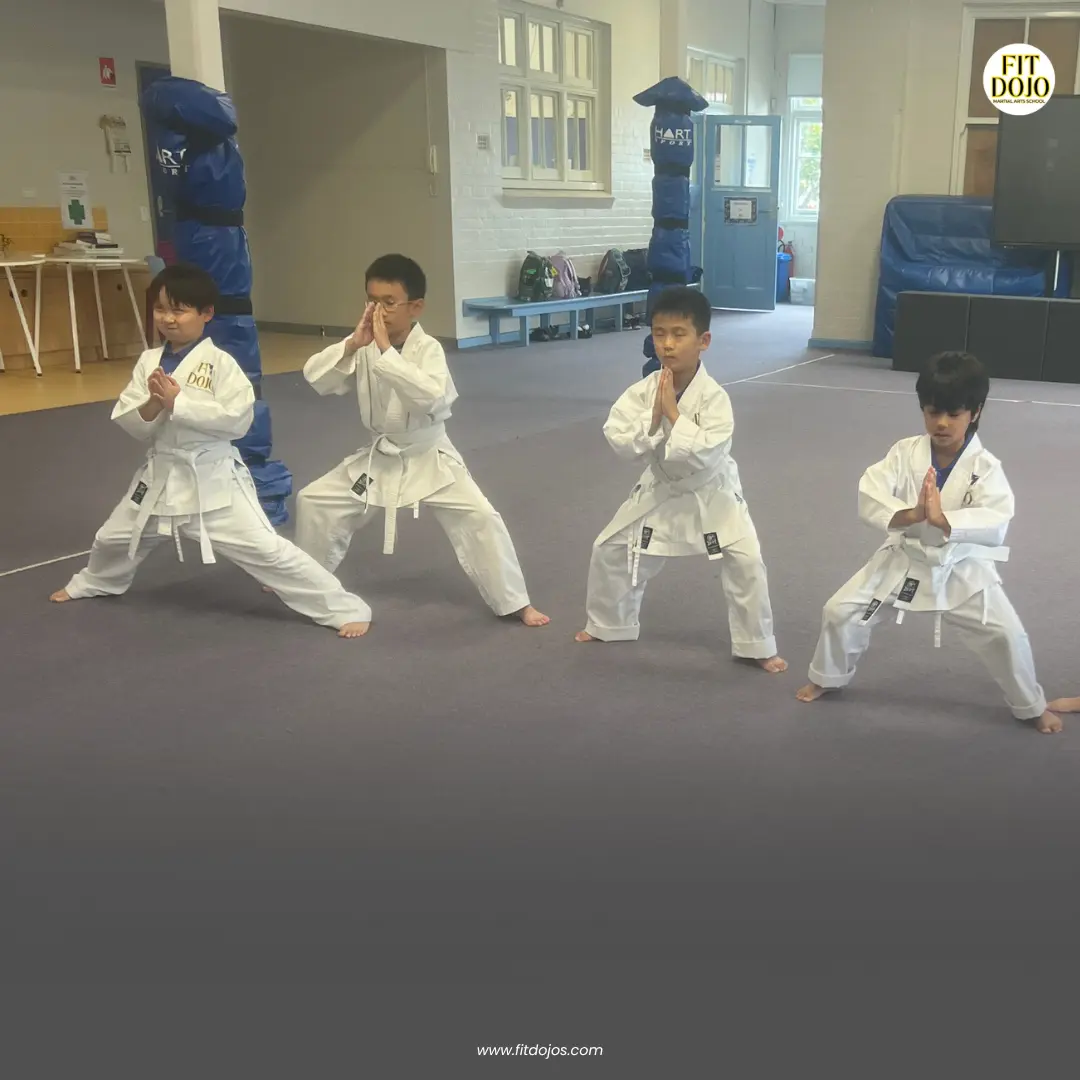
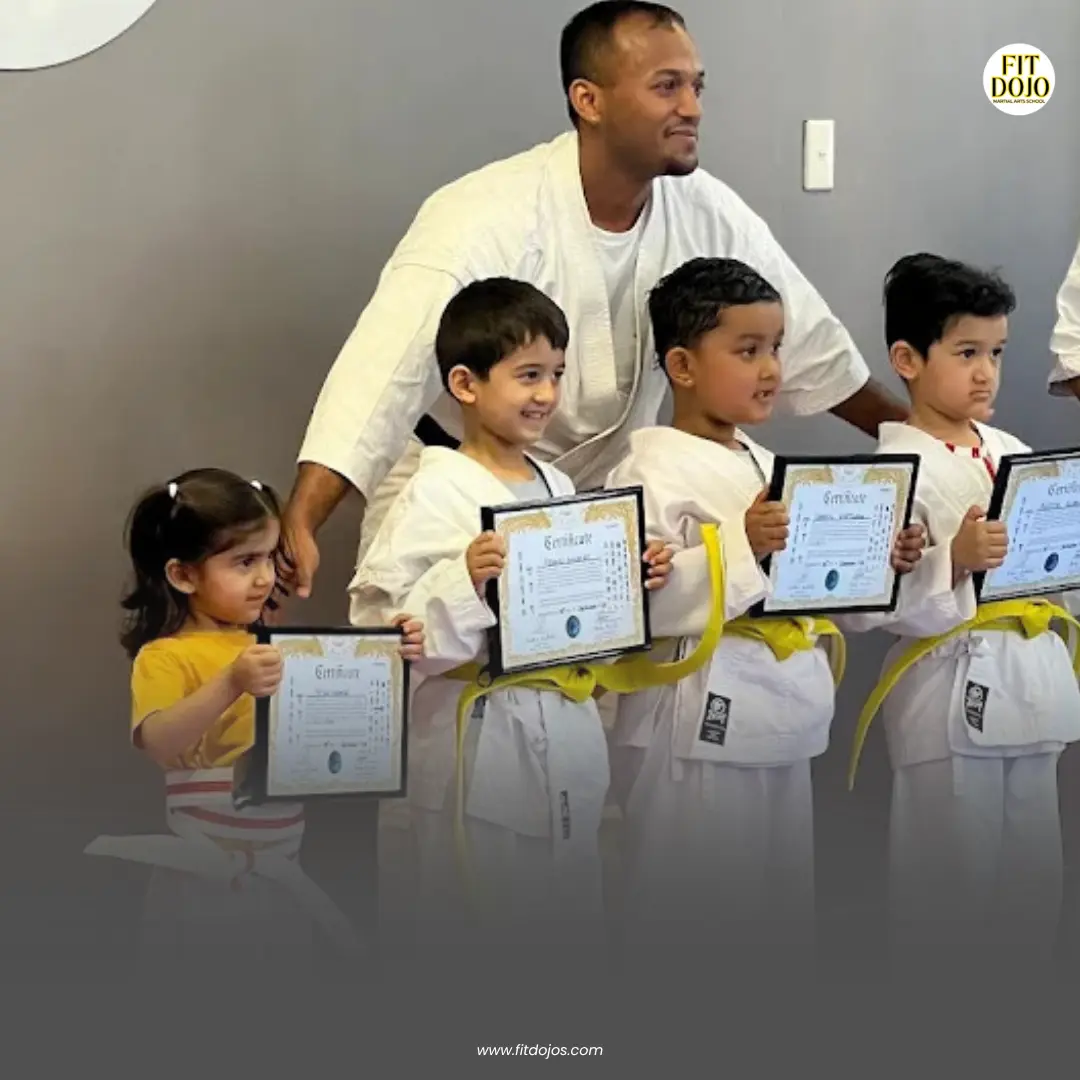
For instance, the martial arts instructor asked one of the experienced students to show some moves for the class. That student has to show skills confidently, communicate with others, and accept responsibility to set a good example.
Eventually, the same student could train with the beginner who has difficulty with kicks and punches. In this case, an experienced student will explain the technique in an easy way with demonstration, listen to the problems, help the partner push hard instead of becoming impatient.
Physical preparation matters as well. Appropriate mobility training can support better movement quality and help students practise techniques with greater control.
Children become better leaders by practicing leadership behaviours, not memorising definitions.
Leadership Benefits of Martial Arts for Kids and Teens
In every age group leadership looks different. Responsibilities given to the 4 year old should be different from the teenager.
Leadership Skills for Younger Children
For young children, the first step in building leadership starts with simple tasks like listening carefully to others, following instructions, waiting for a turn and giving respect to teachers and classmates.
It is not important for the 4 year old children to lead the class in training. The most important thing is to stay focused while training, control an impulse or helping and encouraging same age students can all be huge improvements.
Parents considering training at an early age can learn more about Little Kids Karate.
Leadership Skills for School-Age Kids
Children can start taking more responsibility as they grow. For example, responsibility can be helping others, remembering what they have learned, training on their own, setting their training goals, and behaving properly in front of beginners.
Structured kids karate classes can provide an environment where these responsibilities are introduced gradually rather than expecting children to master them immediately.
Leadership Skills for Teenagers
For the teenagers, developing leadership can be taken further by mentoring younger students, controlling their frustration, knowing how to solve issues if they arise, interacting with people with different personalities and finally taking full personal responsibility for their progress.
These abilities may be useful in school projects, sports teams, clubs, part-time jobs, and other situations where communication and responsibility matter. FitDojo's Teen Karate program provides age-appropriate training for students moving into this stage of development.
Leadership should grow with the child.
From Dojo to Real Life
What children learn inside the martial arts needs to apply to the outside real world so that the real value of leadership can be seen.
Children who learn to stay calm when things do not go as per plan or a difficult situation. Likewise, a child who feels comfortable helping others when they need help and supporting classmates if they don't understand homework.
| In Martial Arts | In Everyday Life |
|---|---|
| Listen carefully to instructions | Pay attention to teachers, parents, coaches, and teammates |
| Practise a difficult technique repeatedly | Keep working when homework or another challenge becomes frustrating |
| Help a newer student | Support classmates, siblings, and teammates |
| Accept correction from an instructor | Respond constructively to feedback |
| Control reactions during a drill | Think before reacting during disagreements |
| Work towards the next level | Break long-term goals into smaller achievable steps |
Even understanding the culture and purpose of the training space can help children take their responsibilities more seriously. Parents can explore the meaning of a dojo for kids to see why respect, learning, and community are such important parts of martial arts practice.
The best leadership lessons leave the dojo with you.
Can Martial Arts Leadership Skills Help Adults Too?
The same leadership skills that children learn and practice in martial arts remains beneficial in their adulthood as well. Skills like discipline, emotional control, good communication, and to stay composed when under pressure are all the things needed outside the martial arts.
The skills learned in the martial arts can be used in managing different projects, working with colleagues, handling difficult meetings, making goals and guiding a team.
Those interested in training later in life can explore FitDojo's martial arts classes for adults.
Leadership development does not stop when childhood ends.
The Role of Instructors and Mentoring in Leadership Development
You need to remember that practicing martial arts for years does not automatically build leadership skills. Inside martial arts, how they train, instruct, and the training environment all matters.
A good instructor needs to be a role model for their students and have qualities to teach them properly. Likewise, children notice and observe adults on how they respond if someone makes a mistake. When the instructor corrects the mistake respectfully, children see it as a positive way and learn that leadership does not need aggression or intimidation.
You can also learn more about FitDojo's philosophy, instructors, and training environment on the About FitDojo page.
Strong leadership development begins with strong examples.
Does Martial Arts Automatically Make Someone a Good Leader?
No activity can automatically turn a child into a strong leader. Martial arts creates opportunities to develop leadership skills, but progress depends on several factors.
- The quality and consistency of instruction
- The culture of the martial arts school
- How regularly the student trains
- The child's willingness to listen and learn
- Opportunities to take age-appropriate responsibility
- Support and reinforcement from parents or caregivers
Parents can reinforce these lessons at home. If your child is learning responsibility in karate, give them suitable responsibilities outside class. If they are learning perseverance, encourage them to work through manageable challenges rather than immediately solving every problem for them.
The goal is not to pressure a child into becoming "a leader." It is to give them opportunities to practice behaviours such as responsibility, respect, confidence, patience, and good judgement.
Training provides the opportunity, but consistent practice creates the habit.
Frequently Asked Questions About Martial Arts and Leadership Skills
Can martial arts help a shy child develop leadership skills?
Martial arts can give shy children gradual opportunities to practice confidence and communication. A child might begin by answering an instructor's question, working with one partner, or demonstrating a simple technique before eventually becoming comfortable with greater responsibility. The pace should match the individual child rather than forcing them into leadership roles before they are ready.
How long does it take to develop leadership skills through martial arts?
There is no fixed timeline. Some changes, such as improved listening or greater willingness to participate, may appear relatively early. Qualities such as resilience, accountability, confident communication, and mentoring ability generally develop through consistent training and repeated experience over time.
Which martial art is best for developing leadership skills?
Karate, taekwondo, judo, Brazilian jiu-jitsu, kickboxing, and other structured martial arts can all provide opportunities to develop useful leadership qualities. The quality of the instructor, class culture, age-appropriate teaching, and opportunities to take responsibility may matter more than the specific martial art a child chooses.
Can martial arts help children at school?
Skills practised during martial arts training, such as listening, goal setting, self-control, teamwork, persistence, and responding appropriately to feedback, can also be useful in classrooms, group projects, school sports, and social situations. Results differ between children, but the behaviours have practical applications beyond training.
At what age can children start learning leadership through martial arts?
Children can begin practising basic leadership behaviours at a young age. For preschool-aged children, this may simply mean listening, taking turns, following instructions, and showing respect. As they grow older, instructors can gradually introduce more responsibility, independent problem-solving, mentoring, and opportunities to lead by example.
Leadership is a long-term skill built one experience at a time.
Help Your Child Build Leadership Skills Through Martial Arts
Learning to punch, kick, block, or self defence is only one aspect of martial arts. It also teaches children skills like team work, discipline, responsibility and communication that will help them to be good leaders in future.
The most crucial element is regular, age-appropriate training in a place where teachers show qualities they want their students to gain.
For the parents, who want to see how their children do in a structured martial arts training, you can come and experience the class which will tell you more about your children.
Ready to Watch Your Child Grow Into a Leader?
Book a free trial class with Fit Dojos and see firsthand how structured martial arts training builds real leadership skills, one class at a time.
Similar post

September 10, 2026
Why Sparring Fear Happens Even When You Know the Techniques
September 10, 2026
Shadow Fighting Benefits for Martial Arts Training