Karate Weapons Training vs Empty-Hand Karate: Understanding the Key Differences and Benefits
FIT DOJOS
Expert Team,
FITDOJOS.COM
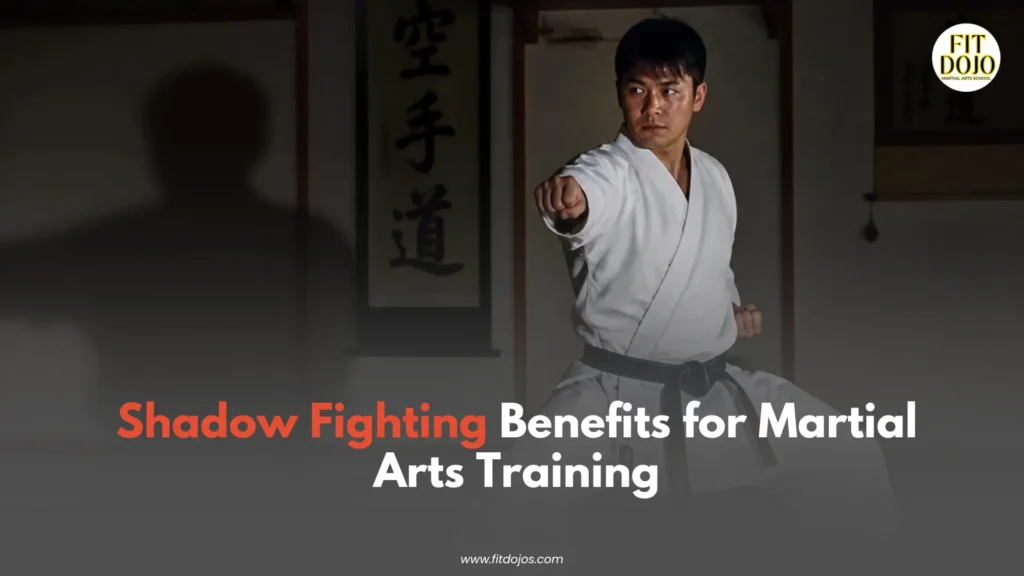
Karate, in its traditional form, is renowned for empty hand techniques; however, there are some karate schools that train using karate weapons in addition to their regular training. Training in weapons can develop coordination, concentration, control, and awareness, while empty-hand karate teaches basic punching, kicking, moving, and blocking skills. It is important to know the core techniques and then learn weapons only under the proper guidance.
The practice of hand techniques is essential to karate, while karate weapons can be trained in addition to it in some dojos.
If you are thinking about taking up karate for fitness, self-defence, or just learning discipline or you are a parent looking into a martial art for your child, knowing the difference is key.
Does Karate Use Weapons?
Yes, there are some schools that teach karate with weapons, yet this is not an required part for all karate schools. It is well known that karate was designed initially as an unarmed martial art.
Nevertheless, Okinawan martial arts feature a wide practice of weapons, namely kobudo. Due to the historical relations between karate and kobudo, many masters teach both styles simultaneously.
At the same time, nowadays many karate schools only focus on the training of empty hands techniques.
What Karate Weapons Are Commonly Used?
When people talk about the weapons of karate, they are often referring to traditional Okinawan weapons taught through kobudo or incorporated into a karate school's broader program.
Some commonly associated weapons include:
- Bo
- Sai
- Tonfa
- Nunchaku
- Kama
- Eku
Exactly which weapons are taught depends on the school, instructor, organisation, and student's experience level.
The Bo
The bo is a long staff and one of the most recognisable weapons associated with Okinawan martial arts.
Training may focus on controlled handling, posture, coordination, movement patterns, and formal routines.
Because of its length, students must develop strong spatial awareness.
The Sai
Sai are metal weapons with a central shaft and side prongs.
They are strongly associated with Okinawan kobudo and require careful instruction and controlled practice.
The Tonfa
Tonfa have a distinctive side handle and are traditionally used in pairs.
Training requires coordination between the hands, wrists, arms, stance, and body movement.
Nunchaku
Nunchaku consist of two sections connected by a cord or chain.
They are among the most recognisable martial arts weapons because of their appearance in movies and popular culture.
They can also cause injury when handled carelessly, so beginners should not attempt flashy techniques without proper supervision.
Kama
Kama are traditionally associated with sickle-shaped agricultural tools.
Because they involve blades or blade-like training implements, they require particularly careful supervision and appropriate training equipment.
Karate Weapons vs Empty-Hand Karate
The most obvious difference is simple.
Empty-hand karate teaches you to use your body directly. Weapons training introduces an external object that changes your distance, coordination, movement, and safety considerations.
Empty-Hand Karate Focuses on Your Body
Typical karate training may include:
- Punches
- Kicks
- Blocks
- Stances
- Footwork
- Kata
- Partner drills
- Controlled sparring
- Balance and coordination
These skills establish your martial arts foundation.
You learn how your body moves before adding another object to control.
Adults who want to build those fundamentals can start with structured adult martial arts classes before moving into more advanced training.
Karate Weapons Add Another Layer of Coordination
With a weapon, your awareness must extend beyond your hands and feet.
You have to consider the object's length, position, momentum, and relationship to the space around you.
This is one reason responsible instructors generally introduce weapons progressively rather than immediately handing complex training equipment to a new student.
What Are the Benefits of Karate Weapons Training?
Weapons practice is not necessary for everyone, but structured training can develop several useful attributes.
1. Coordination
Handling a training weapon requires your hands, feet, hips, eyes, and posture to work together.
That can challenge coordination in a different way from empty-hand techniques.
2. Concentration
Careless movements are unacceptable when training with weapons.
Students need to listen closely, follow instructions, and remain aware of what they are doing.
3. Spatial Awareness
A long training weapon occupies more space than your fist.
You have to understand where it is throughout a movement and maintain appropriate distance from other students.
4. Discipline and Control
Good weapons training should prioritise control rather than showing off.
The goal is not to swing something as fast as possible.
Students first need to demonstrate that they can follow safety rules, handle equipment responsibly, and stop movements under control.
5. Connection to Traditional Martial Arts
For students interested in the historical and cultural side of martial arts, kobudo can provide another area of study alongside karate.
It can deepen a student's appreciation for traditional training without replacing empty-hand fundamentals.
Are Karate Weapons Better for Self-Defense?
Not necessarily.
Learning traditional weapons does not automatically make someone better prepared for modern self-defense situations.
There are also serious legal and safety considerations around carrying or using weapons, and those rules vary depending on where you live.
For practical self-defense, beginners are usually better served by first developing:
- Situational awareness
- Distance management
- Balance
- Movement
- Fitness
- Basic defensive skills
- Decision-making under pressure
- De-escalation and avoidance
The best outcome in a dangerous situation is generally to avoid unnecessary physical confrontation and reach safety.
Traditional weapons training can be valuable as a martial arts discipline, but it should not create false confidence about real-world confrontations.
Students interested in developing striking fitness and practical movement in a different format can also explore kickboxing classes.
Karate Weapons Training for Beginners
If you are completely new to karate, you probably do not need to start with weapons.
Build your foundation first.
A sensible progression may look like this:
- Learn basic stances. Stable movement provides the foundation for more advanced skills.
- Develop coordination. Practise basic punches, blocks, kicks, and turns.
- Learn dojo safety. Understand spacing, control, and instructions.
- Build consistency. Regular attendance matters more than rushing toward advanced techniques.
- Ask about weapons training. Once you have a foundation, your instructor can explain whether weapons are part of your school's curriculum.
There is no benefit in rushing.
Being able to control a basic technique well is more valuable than performing an advanced movement badly.
Are Karate Weapons Safe for Kids?
Weapons training can be appropriate for some children when it uses suitable training equipment, strict supervision, and age-appropriate instruction.
It should never become unsupervised play.
Parents should ask how the school handles weapons training before enrolling a child in that type of program.
Questions worth asking include:
- At what age can students begin?
- What experience or belt level is required?
- Are training weapons modified for safety?
- How much space is maintained between students?
- Are students directly supervised?
- What happens if a child ignores safety instructions?
- Can weapons be taken home?
A responsible instructor should have clear answers.
For school-age children, structured kids karate classes are a better place to begin than unsupervised weapons practice.
Very young students may benefit more from little kids karate training focused on balance, coordination, listening, and safe movement.
Older students can build greater responsibility through teen karate classes before progressing toward more advanced martial arts skills.
Discipline Comes Before Weapons
A child being excited about learning the bo or another martial arts weapon is understandable.
But an instructor should look for maturity and control first.
A student who cannot follow instructions consistently may not be ready for weapons practice, regardless of how athletic they are.
That lesson itself can be valuable.
Students learn that greater responsibility comes with greater trust.
How Parents Can Introduce Children to Martial Arts Safely
Parents do not need to choose weapons training immediately.
Programs designed for parents and kids martial arts can help families understand how karate develops confidence, discipline, coordination, and safe training habits before more advanced material is introduced.
It is also worth reading about what parents should know before a first martial arts class so your child arrives prepared and knows what to expect.
Can You Learn Karate Weapons From YouTube?
Videos can help experienced students review techniques their instructor has already taught.
They are a poor substitute for supervised beginner instruction.
A video cannot tell you that another person has walked into your training space. It cannot immediately correct an unsafe grip, poor control, or inappropriate practice environment.
This becomes particularly important with weapons such as nunchaku, sai, or kama.
If you are interested in weapons training, learn from a qualified instructor first. Use online material only as supplementary study when appropriate.
Karate Weapons and Fitness
Weapons practice can also be physically demanding.
Depending on the training, students may work their shoulders, arms, core, legs, grip, and cardiovascular system.
But weapons should not be viewed as a shortcut to fitness.
The broader benefits of karate come from consistent training.
Empty-hand drills, kata, footwork, conditioning, partner work, and appropriate weapons practice can all contribute to physical development.
For someone who gets bored with conventional gym workouts, that variety may make martial arts easier to stick with over the long term.
Parents interested in the physical-development side of training can also read how martial arts can develop motor skills in younger students.
Should You Choose Weapons Training or Empty-Hand Karate?
If you are a beginner, start with empty-hand karate.
It gives you the fundamental skills that support everything else.
Learn how to stand, move, balance, strike, block, listen, and train safely.
If weapons training is available later and interests you, it can become an additional challenge.
For children, the same principle applies. Confidence, coordination, discipline, and safe training habits should come before complicated equipment.
For adults, weapons training can add variety and traditional study to a broader martial arts program.
You do not necessarily have to choose one forever.
Depending on your school, you may eventually train both.
Karate Weapons Training in Rockdale
If you are interested in developing strong karate fundamentals before exploring more advanced training, structured karate training in Rockdale gives you access to instructor-led progression and hands-on feedback.
Students who want a broader approach can also explore martial arts training in Rockdale.
If you prefer one-on-one coaching, private martial arts classes may provide more individual attention to technique, coordination, and progression.
Conclusion: Are Karate Weapons Worth Learning?
Karate weapons can be an interesting and challenging addition to martial arts training, particularly for students interested in traditional Okinawan kobudo.
They can help develop coordination, concentration, spatial awareness, control, and discipline.
But weapons training should not replace strong empty-hand karate fundamentals.
Beginners should first learn how to control their own bodies. Children should only practise with appropriate equipment and direct supervision. Adults should also understand that traditional weapons practice is not automatically the same as practical modern self-defense.
The quality of instruction matters more than how impressive a weapon looks.
Interested in karate for yourself or your child? Start with safe, structured instruction and build strong fundamentals first. Book your trial class at Fit Dojos and learn how students progress from basic karate skills toward more advanced martial arts training.
Similar post
September 28, 2026
How Martial Arts Develop Leadership Skills
September 10, 2026
Why Sparring Fear Happens Even When You Know the Techniques