How Fight Cardio Builds Fitness, Focus and Confidence at Any Level


FIT DOJOS
Expert Team,
FITDOJOS.COM
Fight Cardio is more than simply long-distance running, it prepares your physique for the challenges of martial arts. It's not necessarily an indication that you have to run extra kilometers when you're feeling exhausted during training. Your fitness should resemble the needs of fighting, which include moving, striking, reacting, recovering, and making decisions on a regular basis.
Fight cardio builds stamina, coordination, mental focus, and confidence by combining martial arts exercises with cardiovascular workout. You can practice maintaining control while striking, kicking, moving, and reacting, rather than just developing endurance. Even better, fight cardio is customizable to students of all skill levels and fitness.Why Fight Cardio Feels Different From Regular Cardio
Cardiovascular fitness can be developed through swimming, cycling, and running. They can be beneficial components of a martial artist's training routine.
Fight cardio offers an additional difficulty that you must coordinate your body when you become fatigued.
Fight-specific preparation is beneficial because of the combination of technical and physical requirements. This does not imply that standard cardio is ineffective. Both general aerobic activity and martial arts-specific training can be included in a well-planned training schedule.
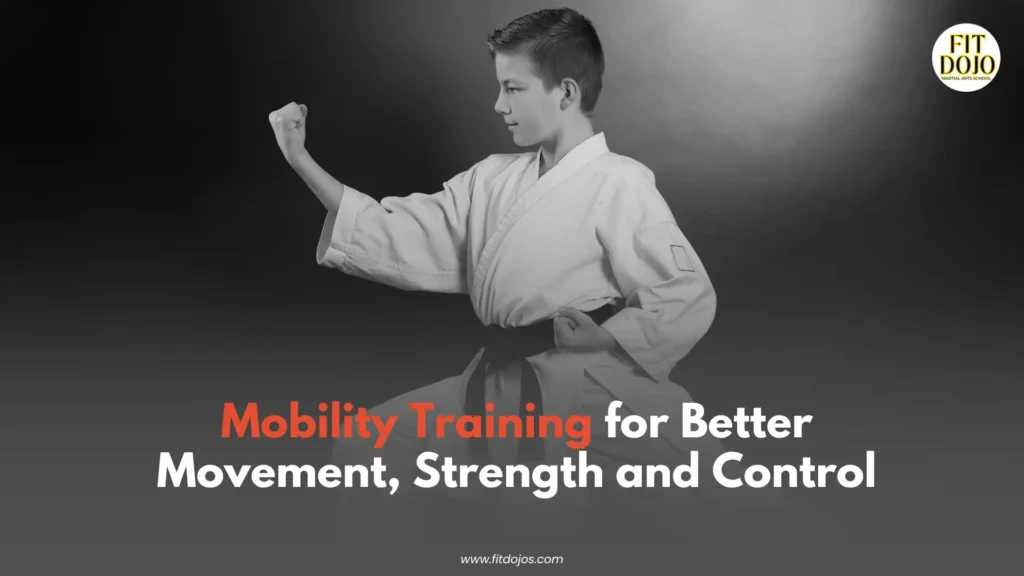
Improving how your body moves can also support conditioning. Our guide to mobility training for martial arts explains how better movement quality can support technique and training comfort.
Regular cardio develops your engine, while fight cardio teaches you to use that engine during martial arts movement.
How Fight Cardio Improves Your Fitness
People often look for the best cardio for fighting because they want to last longer during classes, combinations, or sparring. There is no single exercise that solves everything. Good conditioning usually comes from combining different training intensities with consistent martial arts practice.
Build Cardiovascular Endurance
Cardiovascular endurance helps you continue working over time instead of fading quickly.
For example, a new student may feel comfortable during the first few combinations but struggle later in the class. As conditioning improves, the same workload can begin to feel more manageable.
The goal is not just lasting longer. You want to maintain useful movement and technique for longer.
Improve Stamina and Recovery
Martial arts often involves repeated bursts of activity. You may attack quickly, reposition, defend, and then attack again.
Good conditioning helps you handle these repeated efforts and recover during lower-intensity moments. Learning to control your breathing also matters because holding your breath during combinations can make you feel tired sooner.
Develop Full-Body Conditioning
Martial arts training involves much more than the arms. Punching uses the legs, hips, trunk, shoulders, and arms together.
Kicking adds balance and single-leg control, while footwork keeps the lower body active between attacks. This makes martial arts-based cardio an effective way to challenge multiple areas of the body within one session.
Better fight conditioning means more than lasting longer. It helps you maintain useful movement and technique as fatigue increases.
How Fight Cardio Builds Focus and Mental Sharpness
One of the biggest differences between martial arts cardio and repetitive cardio is that your brain stays involved.
You are not simply trying to complete another minute. You may need to remember combinations, react to instructions, maintain your stance, control distance, and keep your hands in position.
Staying Focused While You Move
Consider a simple combination:
Jab → cross → rear kick → step back → guard.
At first, a beginner may need to think carefully about every movement. As the sequence becomes familiar, a coach can introduce another challenge, such as changing direction after the kick.
Now you are training fitness and concentration at the same time.
Maintaining Technique When Tired
Fatigue has a way of revealing habits. A student's hands may begin dropping, steps may become too large, or punches may lose structure.
Learning to notice and correct those problems while tired develops greater awareness. This is why good fight cardio should not become a competition to move as wildly as possible. Technique still matters.
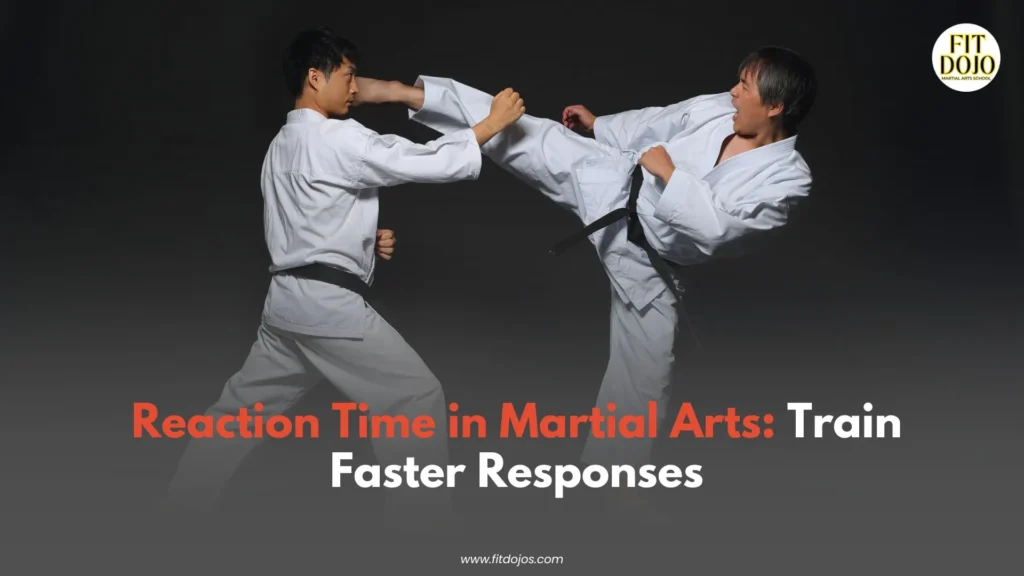
Reaction speed also becomes important as drills become more interactive. You can explore this further in our guide to reaction time in martial arts.
Fight cardio challenges you to stay mentally engaged instead of switching your brain off when exercise gets difficult.
How Fight Cardio Can Build Confidence
Confidence in martial arts does not have to come from being the strongest or fastest person in the room. It often grows from seeing evidence of your own progress.
Perhaps you initially need a break halfway through a round. A few weeks later, you complete it with control. Eventually, you can complete the same round while maintaining better technique.
Learning Skills While Getting Fit
Traditional workouts can sometimes feel repetitive. Martial arts conditioning gives you skills to work on while exercising.
You might spend one session improving a punch combination and another learning how to move after it. That sense of skill development can make training more engaging than focusing only on calories, distance, or time.
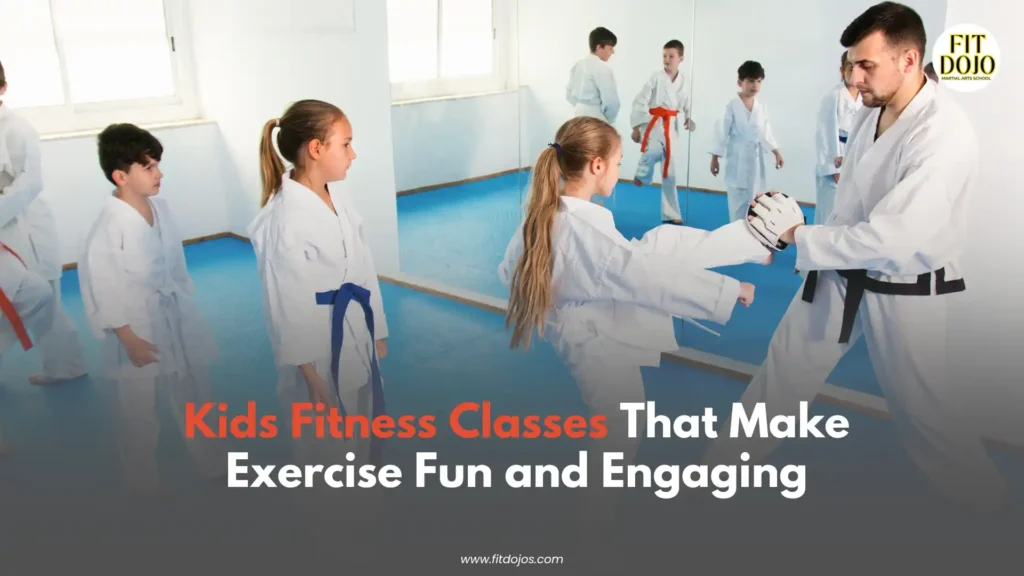
For younger students, fitness can also be connected to movement, discipline, and mindset. Our article on kids fitness through karate explores that connection in more detail.
Confidence grows when you can see yourself becoming fitter, more capable, and more technically controlled.
Best Fight Cardio Exercises for Martial Arts
The best cardio for fighting depends on your experience, goals, available equipment, and the martial art you practice. Still, several exercises adapt well to different ability levels.
1. Jump Rope
Jumping rope can develop rhythm, coordination, and cardiovascular endurance.
- Jump for 30 seconds.
- Rest for 30 seconds.
- Repeat for 5 rounds.
As your conditioning improves, increase the working period or reduce the rest.
2. Shadowboxing
Shadowboxing is one of the easiest forms of cardio for fighting because you need very little space and no striking equipment.
Set a timer for one to two minutes. Move around while practicing controlled combinations instead of standing still and throwing punches continuously.
Example: Jab-cross → move left → jab → step back → reset.
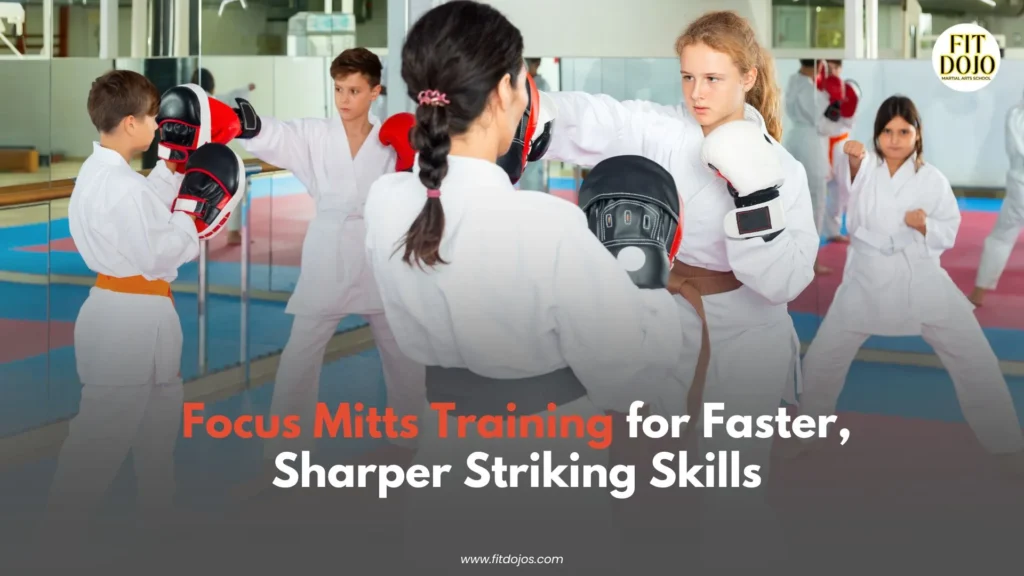
3. Heavy Bag and Pad Work
Bag and pad rounds let you add resistance and a physical target. Rather than hitting as hard as possible for the entire round, vary your intensity.
Move, select a combination, attack, exit, and reset. This better reflects the changing rhythm common in martial arts training.
Students who want striking-focused conditioning can learn more about our kickboxing classes.
4. Punch and Kick Combinations
Combining upper- and lower-body techniques can raise the physical demand quickly.
- Jab
- Cross
- Lead hook
- Rear kick
- Step away
- Reset your stance
Perform the sequence under control for 30 seconds, rest, and repeat.
5. Footwork Intervals
You do not need to throw a strike every second to get a challenging workout. Practice moving forward, backward, laterally, and diagonally while maintaining your stance.
Good footwork conditioning teaches your legs to keep working without sacrificing balance. If you want to understand the stance mechanics behind that movement, see our guide to karate positions and stances.
The best fight cardio exercises combine conditioning with movement you can actually use in martial arts.
A Simple Fight Cardio Workout for Beginners
You do not need to start with exhausting three-minute rounds. A beginner workout should give you enough intensity to challenge your fitness without making your technique fall apart.
Warm-Up
Spend about five minutes gradually preparing your body. Use light movement, easy shadowboxing, controlled joint movements, and simple footwork.
The goal is to feel ready to train, not tired before the workout begins.
Fight Cardio Circuit
Perform each exercise for 30 seconds, followed by 30 seconds of recovery:
- Basic footwork
- Jab-cross combinations
- Shadowboxing with movement
- Controlled alternating kicks
- Punch-kick combinations
Complete two rounds initially. If that becomes comfortable, progress to 40 seconds of work and 20 seconds of recovery rather than immediately trying to double the workout.
Finish with a few minutes of easier movement and allow your breathing to gradually settle.
Start with a workload you can control, then progress one variable at a time.
Fight Cardio for Beginners, Intermediate and Advanced Students
One advantage of fight cardio is that the same basic exercises can be adjusted as your ability improves.
Beginners: Build Your Base
Beginners should prioritize technique, breathing, and consistency. Use shorter rounds and longer recovery periods.
A 30-second round performed well is more valuable than two minutes of uncontrolled movement.
Intermediate: Increase the Challenge
Intermediate students can gradually increase round length, combination complexity, and movement.
Instead of throwing the same combination repeatedly, add direction changes, defensive movements, and different attacks. You can also shorten recovery periods when appropriate.
Advanced: Maintain Quality Under Fatigue
Advanced conditioning can introduce longer rounds, reactive partner drills, pad work, bag intervals, and controlled changes in intensity.
The important standard remains the same: fatigue should challenge your technique, not completely destroy it.
<Progress fight cardio by increasing complexity and intensity without abandoning technique.
Fight Cardio for Different Ages and Training Goals
Fight cardio can be adapted to suit different ages, experience levels, and goals. The right structure for a young child will look different from the workout of a teenager or an adult.
Families who enjoy training together can explore our parents and kids martial arts program, while younger students can build movement and coordination through our little kids karate classes.
Older children can develop fitness and discipline through kids karate training, and teenagers can take on more advanced physical and technical challenges in our teen karate classes.
Effective fight cardio should match the student's age, skill level, and training goals.
Common Fight Cardio Mistakes to Avoid
More intensity is not automatically better training. Some mistakes can make conditioning less productive and may increase injury risk.
- Going too hard too soon: Build your workload gradually, especially if you are new to exercise.
- Sacrificing technique for speed: Fast sloppy repetitions reinforce sloppy movement.
- Holding your breath: Practice controlled breathing throughout combinations.
- Ignoring recovery: Your body needs time between demanding sessions.
- Doing only high-intensity training: Easier aerobic work can also contribute to overall conditioning.
- Comparing yourself with experienced students: Train according to your current ability rather than somebody else's pace.
Pain, dizziness, or unusual shortness of breath should not be treated as something you simply have to push through. Stop training when necessary, and seek appropriate medical guidance if you have health concerns or symptoms during exercise.
Smart conditioning challenges your limits gradually instead of ignoring them.
How Often Should You Do Fight Cardio?
A common question is, "How often should I do cardio for fighting?"
There is no universal number because your ideal training frequency depends on your fitness, martial arts schedule, recovery, age, goals, and other exercise.
If you already attend several demanding martial arts classes each week, those sessions may provide substantial conditioning themselves. Adding hard cardio every day could interfere with recovery rather than improve performance.
Beginners can focus first on attending classes consistently and adding conditioning gradually. More experienced students can adjust cardio according to their training goals and how well they recover.
Quick takeaway: The right amount of fight cardio is enough to create progress while still allowing you to recover and train well.
Build Fitness, Focus and Confidence With Fight Cardio
Fight cardio can do more than leave you sweating. When it is taught and practiced well, it develops cardiovascular fitness while challenging you to move correctly, concentrate under pressure, learn new skills, and recognize your own progress.
Start at the level you are at now. Build a solid foundation, increase your workload gradually, and make good technique the standard even when you become tired.
You can practice basic shadowboxing, footwork, and conditioning at home, but structured martial arts training adds coaching, progressive skill development, partners, equipment, and feedback that solo workouts cannot fully reproduce.
If you would like to understand more about our instructors, values, and approach to training, visit the FitDojos About Us page.
Train with purpose, build your fitness step by step, and let better conditioning support better martial arts.
Ready to experience fight cardio in a structured martial arts class? Build your fitness, focus, and confidence with experienced coaching. Book your free martial arts trial and find the right starting point for your level.