

For both parents and children, after school activities may determine how well the rest of the day will go. The proper physical activity allows parents to build a more reasonable pattern between school, homework, meals, and bedtime while providing children with an opportunity to move around, reset, and remain active.
Martial arts has emerged as a practical option for many families since it combines exercise, organization, and skill development into a one after school program.
Why Parents Are Turning to Martial Arts After School
A lot of parents are looking for something beyond keeping their kids busy. Martial arts offers every class a meaning by warm-ups, technique practice, movement, and steady growth of skills.
Consider a kid who has a lot of energy after school but finds it difficult to relax in the evening. Before dinner, homework, and bedtime, an organized martial arts session can provide that energy with an opportunity to be productive.
Parents who are considering organized classes can find out more about the various options available for families as well as martial arts programs for parents and children.
Takeaway: Martial arts can turn spare afternoon time into purposeful time.
Why After School Activities Matter for Kids
A proper after school activity adds physical activity to children's routine, where in school they spend hours of sitting, listening, reading, and paying attention.
According to Australian physical activity guidelines, kids and teenagers between the ages of five and seventeen should engage in moderate-to-intense physical exercise for at least sixty minutes every day. This doesn't mean that free time must be planned. Children still require time for rest, playing, family time, and homework.
Parents who want to understand how karate can support everyday movement can also read about kids fitness through karate, movement, and mindset.
Takeaway: The best after-school routine balances activity with downtime.
Why Structure Matters More Than Simply Keeping Kids Busy
A full calendar does not automatically mean a productive afternoon. A quality martial arts class gives children clear instructions, achievable challenges, and something they can gradually improve.
For example, a student may spend several classes improving a stance, kick, combination, or movement pattern. Parents interested in understanding the foundations can explore important karate positions and fundamentals.
Over time, training may also involve coordination and faster responses. Our guide to reaction time in martial arts explains how these skills connect with training.
Takeaway: Look for meaningful engagement, not simply another activity on the calendar.
Martial Arts vs. Other After-School Activities
Different children enjoy different environments. Instead of asking which activity is universally best, consider which experience is more likely to suit your child's personality and interests.
| Activity | Main Experience | Often Suits Kids Who Enjoy |
|---|---|---|
| Martial Arts | Individual progress within a group | Structure and skill-building |
| Team Sports | Games and teamwork | Team-based play |
| Music Lessons | Creative and technical practice | Performance and repetition |
| Art Classes | Creative exploration | Making and designing |
| Free Play | Unstructured activity | Flexibility and imagination |
A child who does not enjoy competitive team sports may still enjoy training beside other children while working through skills at an individual pace.
Takeaway: The right activity is one your child can enjoy and return to consistently.
Inside a 60-Minute After-School Martial Arts Class
Parents often wonder what their child will actually do during a martial arts lesson. The exact format varies by age, instructor, and class level, but a structured session may include:
- Greeting and warm-up
- Movement and coordination drills
- Martial arts technique instruction
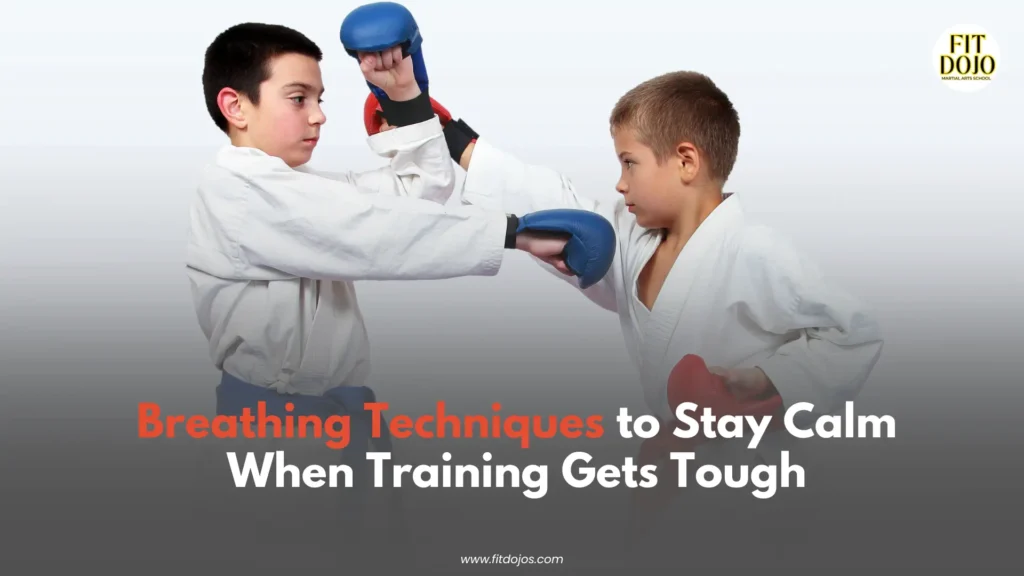
- Partner or pad practice
- Skill-based exercises or games
- Cool-down and instructor feedback
Some classes may also include exercises related to flexibility and movement quality. Parents can learn more about this area in our guide to mobility training for martial arts.
Takeaway: Knowing what happens inside a class makes choosing an after-school program easier.
What Parents Should Look for in an After School Program
Do not choose an activity based only on its name, price, or location. Pay attention to how the program is actually run.
Are instructors communicating clearly? Is the class organised? Are safety expectations easy to understand? Are children participating rather than spending long periods waiting?
Parents should also ask about:
- Suitable age groups
- Class sizes
- Instructor experience
- Training schedules
- Equipment and uniforms
- Fees and membership terms
- How students progress
You can also learn more about the instructors, philosophy, and training environment on the Fit Dojo About Us page.
Takeaway: The training environment matters just as much as the activity itself.
How to Know If Martial Arts Is a Good Fit for Your Child
You do not have to know the answer before your child's first lesson. Watching how they respond to the instructor, other students, and class structure can tell you much more than trying to decide from a website alone.
After a trial class, ask simple questions:
- What did you enjoy?
- What felt difficult?
- Did you understand the instructor?
- Was there anything you would like to practise again?
- Would you like to come back?
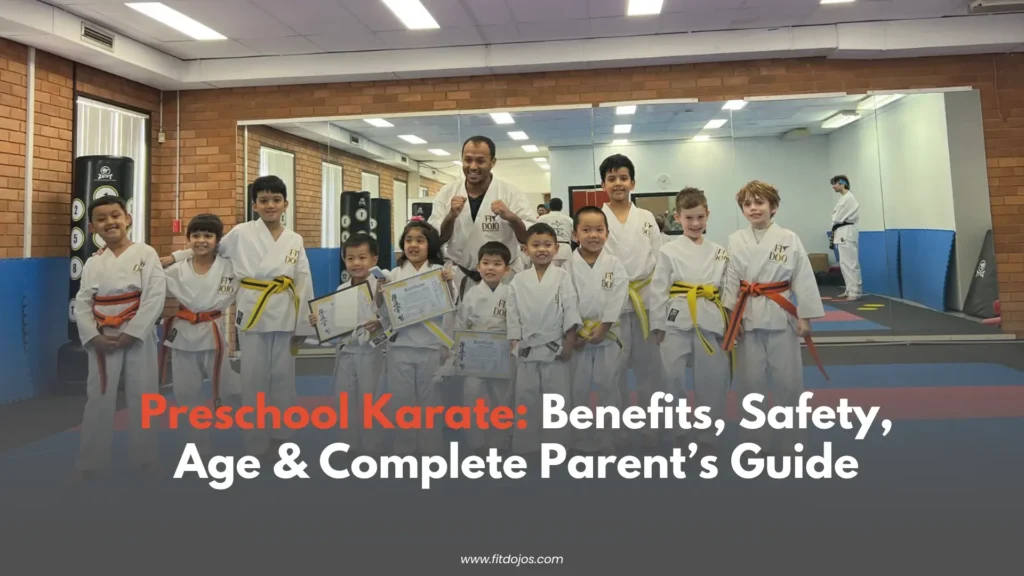
Children can respond differently depending on age. Parents of younger students may find our guide to preschool karate useful when considering readiness for structured training.
Takeaway: Look for genuine engagement rather than expecting instant excitement.
Making Martial Arts Part of Your Child's Weekly Routine
Set a routine for your child's training sessions. Plan their training clothes ahead of time, include a water bottle, schedule a snack, and prevent from organizing too many things into one afternoon.
Being consistent gets simpler when children recognize that progress takes practice. Our article on developing a martial arts mindset explores the attitude behind long-term learning.
Takeaway: A little preparation can make regular training much easier for the whole family.
Starting With a Trial Class Before Committing
A trial class is one of the simplest ways to find out whether martial arts suits your child and family. Parents can see how instructors teach, while children experience the class rather than trying to imagine it.
If your child is ready for structured training, you can explore kids karate classes and compare the available program options before deciding.
Use the trial to judge three things: your child's response, the instructor's approach, and whether the timetable is practical for your family.
Takeaway: Experience the class before making a longer commitment.
Frequently Asked Questions About After School Activities and Martial Arts
Is martial arts suitable for complete beginners?
Yes, children generally don't require prior knowledge to participate in their initial class because beginner-friendly martial arts programs are introduced. Training should be customized by the instructor based on the child's age and level of experience.
How many martial arts classes should my child attend each week?
There is not a specific number that will fit every child. Consider age, the amount of work kids have at school, other activities, rest, and the routine with which family can attend. A routine that is sustainable is usually more useful than an overloaded schedule.
What should my child bring to their first martial arts class?
Check ahead you go because different schools have different criteria. For a first session, a water bottle and comfortable clothes are usually helpful, and the school can provide you with information about uniforms, safety gear, and other necessities.
Is martial arts a good after-school activity for energetic kids?
Definitely. Children can move around, follow instructions, and practice particular skills in an organized setting with martial arts. The easiest approach to find out how your child reacts to that particular activity is to give them a trial session.
Conclusion
After School Activities provides beyond just a means to get through the time between school and dinner. The perfect activity must fit into the family's routine, provide children with something valuable to practice, and still allow time for rest, family time, and studies.
Children have the ability to grow by following the structured choice provided by martial arts. Experiencing the atmosphere, getting to know the instructors, and attending a class are the best ways to determine whether it is a good fit for your child.
Takeaway: The best way to judge an after-school activity is to experience it.
Turn After-School Time Into Training Time
Give your child the chance to experience a structured martial arts class and see whether it fits your family's weekly routine. Start with a free trial at Fit Dojo.