Best Martial Arts for Women: Benefits, Self-Defense & How to Choose


FIT DOJOS
Expert Team,
FITDOJOS.COM
The best martial art for women varies depending upon what styles she is looking for from training. Kickboxing is good for striking and fitness, karate provides a focused technical growth, and taekwondo can help enhance coordination, mobility, and kicking skills..
Martial arts have their own objectives, personalities, and different comfort levels. The quality of the trainer and training environment might be equally as important as the martial art itself. The most suitable spot for beginning isn't always the hardest gym or the most challenging training; rather, it's the place that supports a beginner's learning with consistent, safe, and purposeful training.
The best martial art is not the one with the biggest reputation. It is the one you are motivated to keep practising.
Why Martial Arts for Women Is About More Than Fighting
In order to feel safer, many women begin research about the martial arts. While others are looking for a more engaging method to work out, boost their confidence, learn new skills, or connect with a welcoming training group.
Martial arts provides a routine with reason, in contrast to an exercise that just emphasizes repetitions. You may be learning how to stay balanced, avoid pressure, enhance your timing, or seamlessly combine multiple skills.
For instance, a woman who considers regular gym routines boring might discover kickboxing enjoyable because each session mixes building skills with fitness. Learning karate could be more pleasant for someone who prioritizes organized technical advancement.
Women who want to explore training in a supportive adult environment can also look at FitDojos' adult martial arts classes to see how structured lessons are introduced.
When exercise teaches you something useful, staying consistent becomes much easier.
Benefits of Martial Arts for Women
1. Builds Full-Body Fitness
Cardiovascular fitness, muscular strength, balance, coordination, mobility, and movement control can all be tested during a martial arts training program. The style and structure of the session determine the precise level of intensity.
While karate may incorporate stance practice, technique drills, footwork, partner training, and fitness, kickboxing may involve combinations on pads and bags.Developing good mobility for martial arts training can also help students move more comfortably and efficiently.
2. Develops Practical Self-Defense Skills
Training how to punch and kick is not enough for self-defense. Awareness, distance management, boundaries, making decisions, and physical skills that may be practiced in a safe manner can all be developed through effective training.
3. Builds Confidence Through Competence
Confidence becomes more meaningful when it comes from evidence. Learning a difficult combination, improving a technique, or staying composed during partner work can gradually change how you respond to challenges.
4. Improves Focus and Stress Management
During training, your attention has to stay on movement, timing, breathing, and the person or target in front of you. That concentration can create a useful mental break from work, study, and everyday responsibilities.
5. Improves Coordination and Reaction Skills
Martial arts repeatedly challenges you to observe movement and respond at the right moment. Readers interested in the science and training principles behind this can explore FitDojos' guide to improving reaction time in martial arts.
Fitness is valuable, but fitness combined with skill creates a stronger reason to keep training.
Which Martial Art Is Best for Women?
There is no universal winner. The right choice depends on whether you prefer striking, grappling, structured traditional training, competitive training, fitness, or a mixture of several skills.
| Martial Art | Main Focus | Often Suits Women Seeking | Typical Contact Level |
|---|---|---|---|
| Kickboxing | Punches, kicks, footwork | Fitness, striking, coordination | Low to high, depending on class |
| Karate | Technique, striking, structured progression | Discipline, technical development, confidence | Varies by school |
| Taekwondo | Kicking, mobility, speed | Flexibility, coordination, technical progression | Varies |
| Brazilian Jiu-Jitsu | Grappling and ground control | Close-range grappling skills | High physical contact |
| Muay Thai | Punches, kicks, knees, elbows | Striking, fitness, power, coordination | Medium to high |
| Boxing | Punching, defense, footwork | Striking, fitness, timing | Varies with sparring |
| Judo | Throws and grappling | Balance, leverage, grappling | High physical contact |
Kickboxing
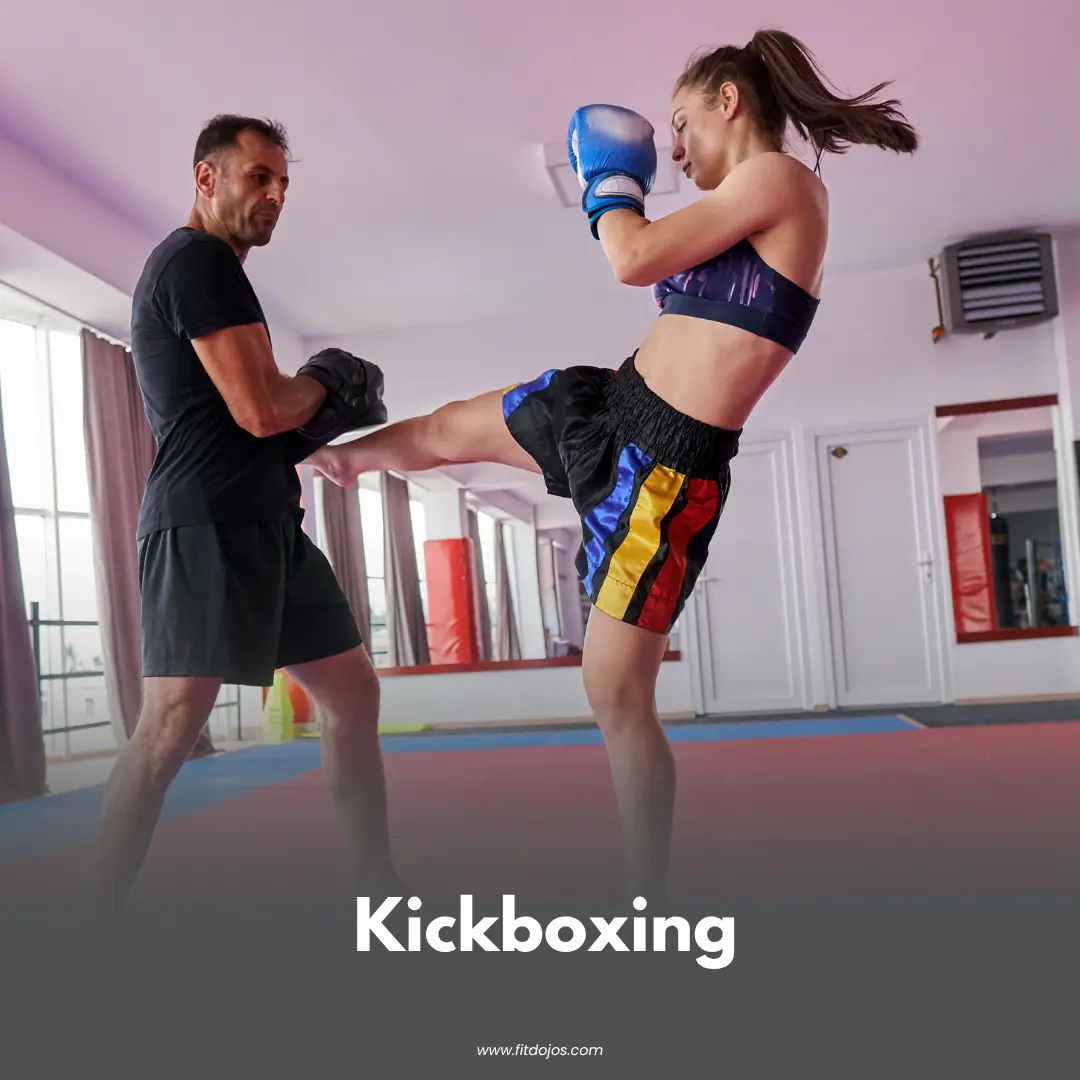
Kickboxing for women is a well-known pick for those who desire an intense workout while improving their practical striking skills. Punching combos, kicking, footwork, pad work, and conditioning are all potential forms of this training.
It's not necessary for a beginner to get started by sparring. Technique can be introduced progressively in well-structured lessons and then they can slowly do light spar with their partner. Women interested in this style can learn more about FitDojos' kickboxing classes.
Karate
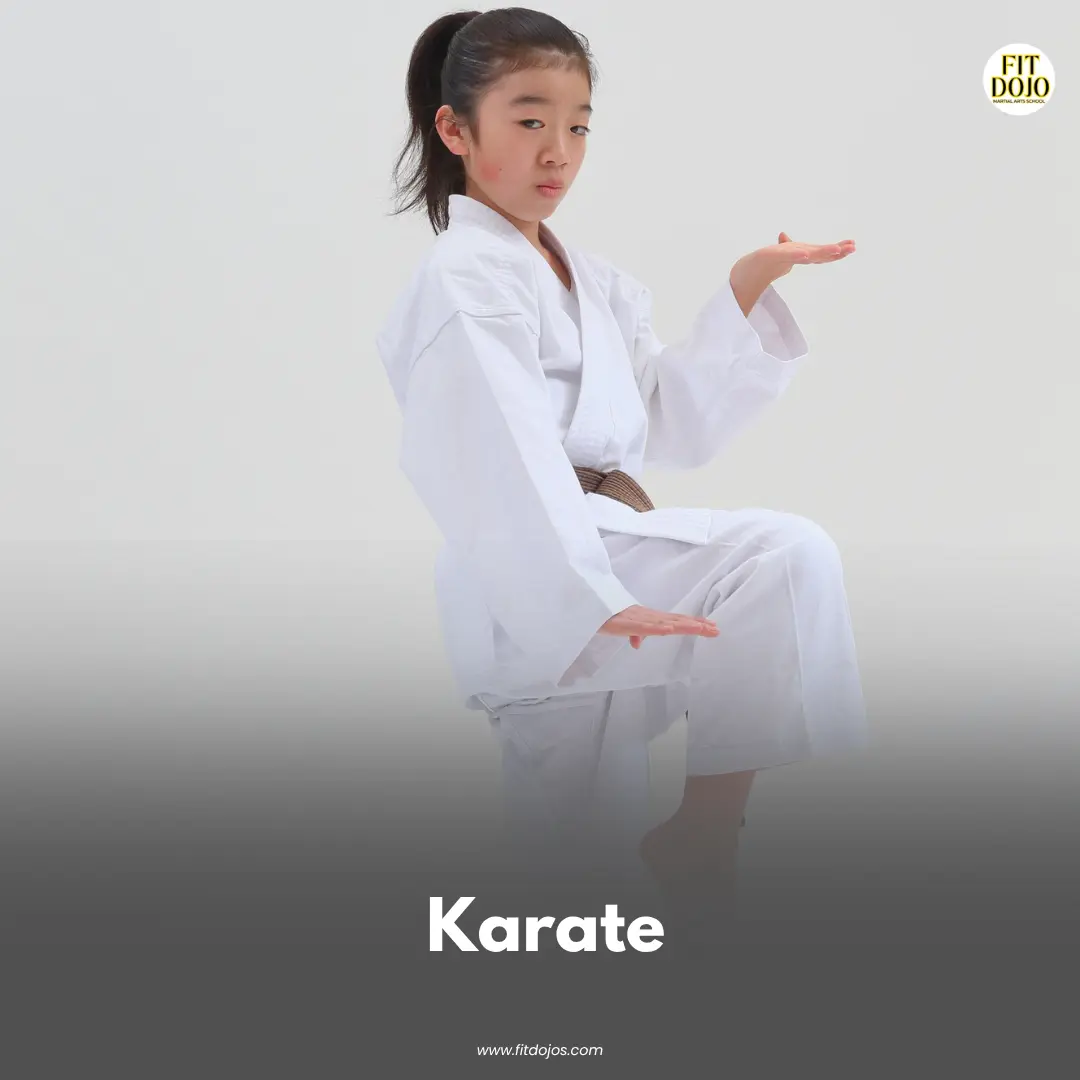
Karate for women is suitable for those who prefer structured learning, technical repetition, and concise growth. Strikes, kicks, stances, forms, movement drills, and partner exercises are all potential aspects of karate training.
Beginners are able to better understand the significance of balance and body alignment in training by learning basic karate positions and stances.
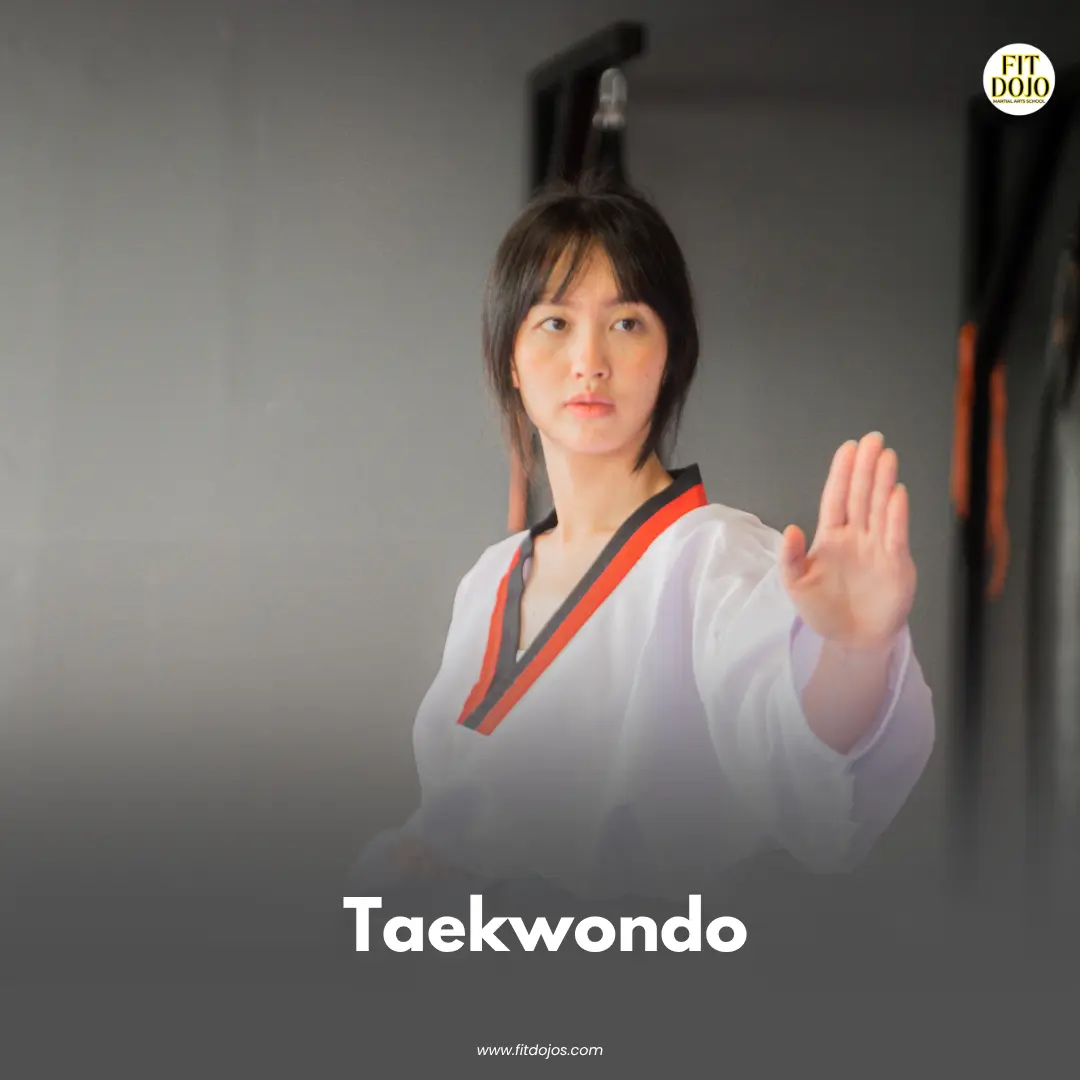
Taekwondo for Women
Taekwondo focuses on demonstrating body movement, balance, and quick kicks. It can make women flexible, energetic, and confident in themselves. Additionally, it shows you how to maintain a safe distance and move rapidly.
For instance, a stranger unexpectedly appears in front of a woman who is walking across a parking lot and reaches out to touch her. Taekwondo allows her to move back quickly, maintain the proper distance among them, and get herself a secure place.
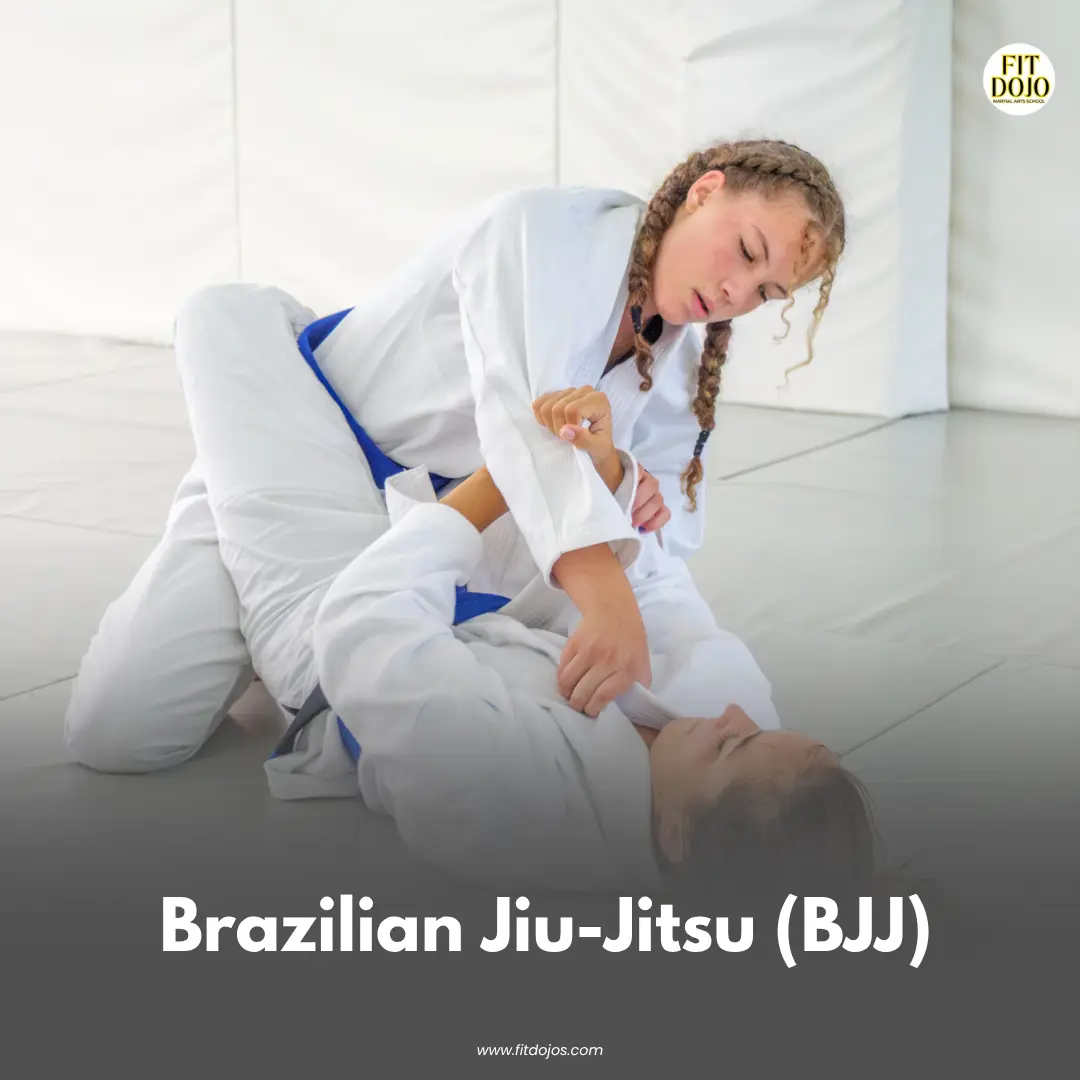
Brazilian Jiu-Jitsu (BJJ)
BJJ refers to Brazilian Jiu-Jitsu that emphasizes body control and grappling. Rather than relying just on strength, it trains you how to perform strategic moves. Even if a person is smaller then she can learn how to control and handle a bigger person. If someone grabs you or a fight continues to the ground, BJJ comes in quite beneficial.
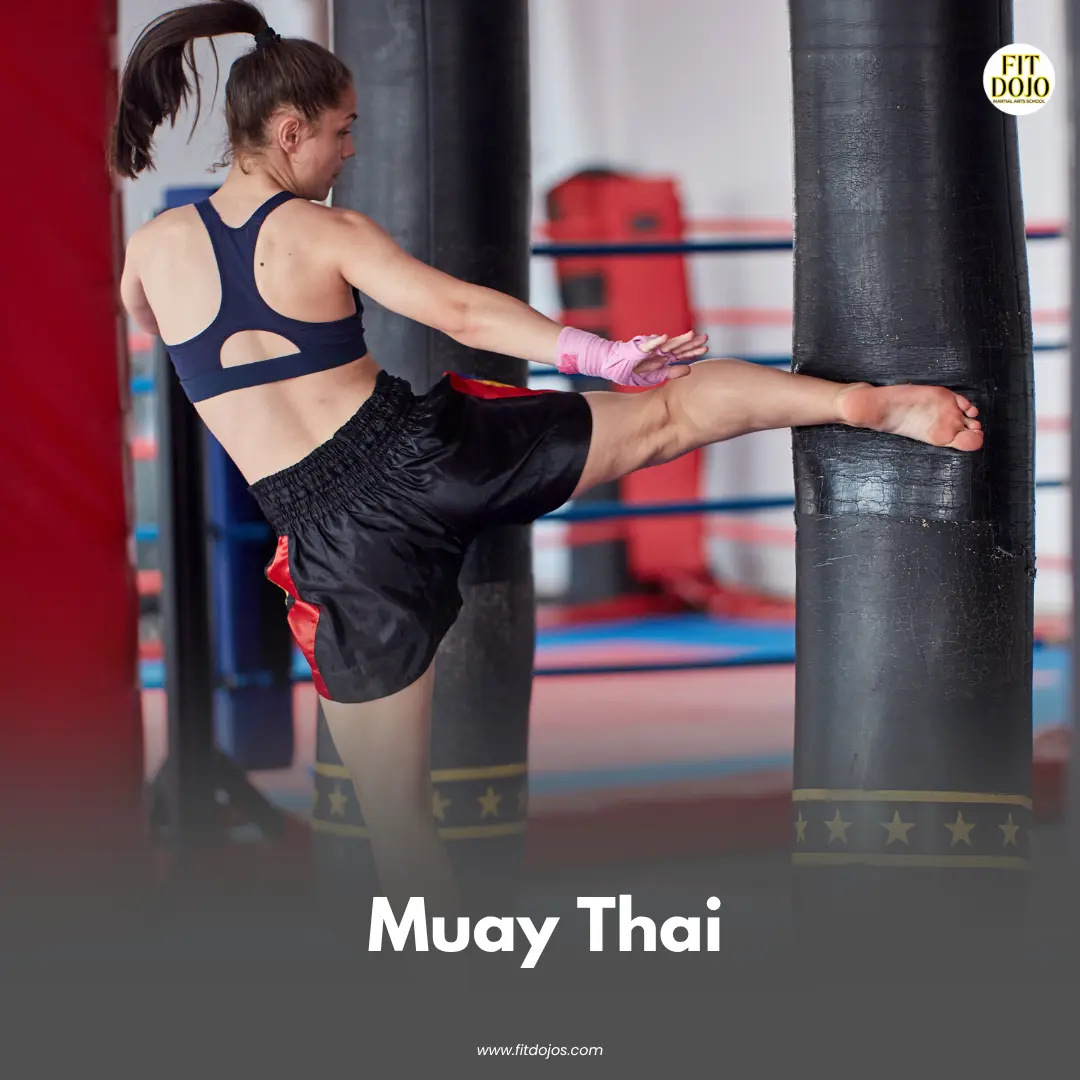
Muay Thai
Muay Thai includes elbows, knees, kicks, and punches. It teaches you how to defend yourself when you're standing. Additionally, it can make you faster, stronger, and more self-assured. For instance, Muay Thai can teach you how to make room and move to safety if someone approaches too closely.
Boxing
Punches, footwork, and quick movement are all taught in boxing. It teaches you how to avoid danger, protect your face, and maintain your balance. Because you mostly use your hands, it is easy. For instance, if your walking down the street and then suddenly someone comes to hit you then boxing will help to protect face, move aside and the find safe spot.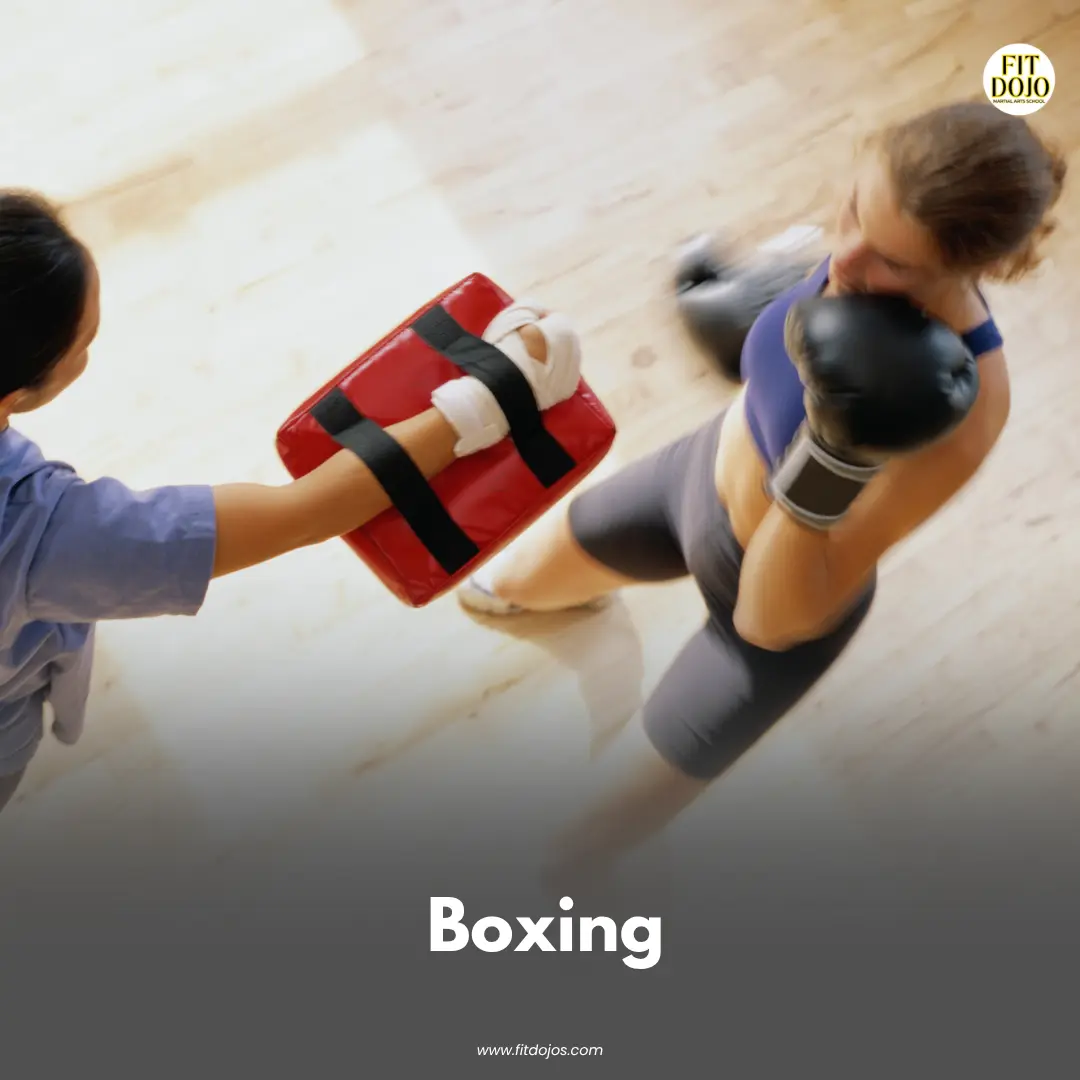
Judo
Judo trains you how to control or throw someone by using your balance and movement. When someone grabs you or approaches you closely, it may be helpful. Additionally, you learn the correct way to fall with safety. For instance, a person holds onto your arm or clothes, Judo shows you how to release the grip and move away.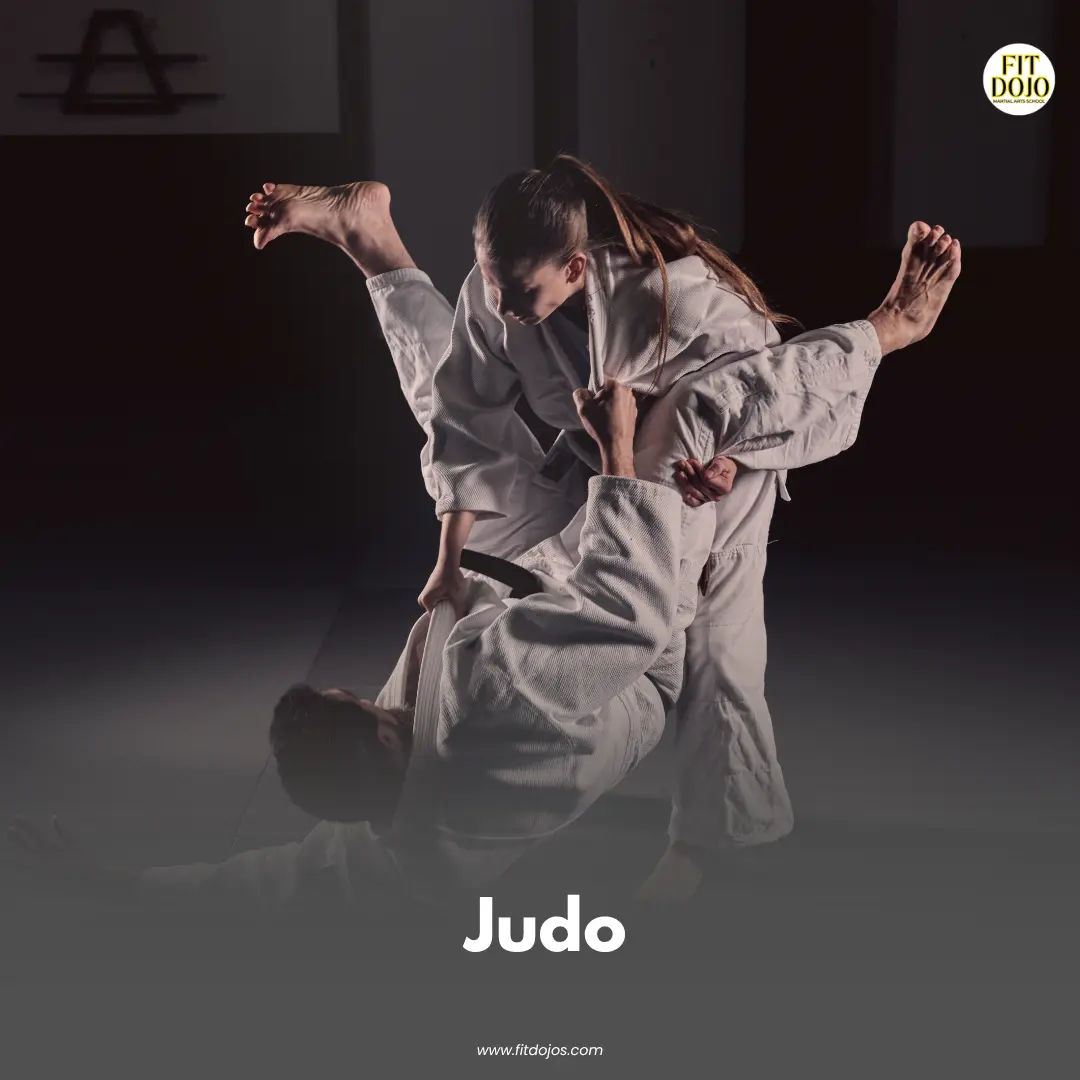
Choose according to your goals and personality, not according to somebody else's ranking.
What Is the Best Martial Art for Female Self Defense?
Women searching for the best martial arts for female self defense should be cautious of any school promising that one system will make someone unbeatable. Real situations are unpredictable, and physical techniques cannot guarantee personal safety.
Striking Skills
Kickboxing and boxing can develop footwork, timing, distance awareness, striking, and defensive movement. They can also introduce students to performing techniques while physically tired or under controlled pressure.
Grappling Skills
Brazilian Jiu-Jitsu and judo address close physical contact, balance, control, and grappling situations. Because the training ranges are different, striking and grappling arts develop different abilities.
Training Against Resistance Matters
Ask how techniques are practised once students understand the basics. Controlled partner drills, progressive resistance, sparring, and other forms of live practice can help students discover whether they can perform a technique when another person is moving unpredictably.
Self-defense is not about winning a fight. Awareness, boundaries, distance, escape, and good decisions should remain part of the conversation.
Good self-defense training improves your options, not your willingness to take unnecessary risks.
How to Choose the Right Martial Arts for Women
Instead of asking which martial art is objectively best, ask which one is most appropriate for you.
- Define your main goal. Decide whether fitness, self-defense, confidence, competition, discipline, or learning a new skill matters most.
- Choose your preferred training style. Consider whether you are more interested in striking, grappling, forms, or mixed training.
- Think about physical contact. Some martial arts involve much closer partner contact than others.
- Evaluate the instructor. Look for clear explanations, respectful behaviour, sensible safety rules, and appropriate partner matching.
- Try the class yourself. Watching videos cannot tell you how comfortable you will feel inside a particular dojo.
Consider 2 women who begin at exactly the same level of fitness. One enjoys kickboxing every week and goes for quick pad combinations. Whereas, another likes karate far more and wants developing technical moves gradually. Neither option is incorrect as being consistent matters far more than going with the exact same style.
A quality instructor should also be willing to explain how the school trains beginners, how contact is introduced, and what is expected during the first few weeks. You can learn more about FitDojos and its teaching approach before attending.
The right dojo should make you want to return, learn, and improve.
What Should Women Expect in Their First Martial Arts Class?
You don't have to be extremely strong or fit for your first martial arts class. As you keep training, you can gradually increase your strength and level of fitness.
You might not immediately begin sparring. Many lessons begin by teaching fundamental partner practice, safety regulations, and basic techniques. Trying to appear tough is not as essential as having good technique. Learn to maintain your composure, breathe, maintain your balance, and learn the techniques correctly.
Asking questions can be beneficial. If you have a previous injury, feel uncomfortable, or struggle to understand something, let your teacher know. A qualified instructor will assist you in learning properly.
Your first class is a learning experience, not a performance test.
Frequently Asked Questions About Martial Arts for Women
What is the best martial art for a woman with no experience?
There is no single best martial art for every beginner. Karate, kickboxing, taekwondo, boxing, Brazilian Jiu-Jitsu, and other styles can all be beginner-friendly when taught by an experienced and supportive instructor.
Start by choosing a martial art that matches your goals and interests, then try a class to see whether you feel comfortable with the instructor, training style, and environment.
Is kickboxing good for women?
Yes. Kickboxing can be an excellent option for women who want to improve cardiovascular fitness, coordination, striking technique, footwork, and confidence.
Beginner classes commonly introduce punches, kicks, combinations, and pad work gradually. Ask the instructor how sparring and contact training are introduced before joining.
Is karate good for women?
Karate can be a great choice for women who enjoy structured learning, technical development, discipline, and clear progression.
Classes may include strikes, kicks, stances, forms, movement drills, and partner exercises. Because teaching styles differ between schools, trying a class is the best way to see whether it suits you.
Do women need to be fit before starting martial arts?
No. You do not need to become fit before starting martial arts. Beginner-friendly classes should allow you to improve your fitness gradually while learning proper technique.
Strength, coordination, mobility, and endurance can all improve over time through consistent training.
Are ladies martial arts classes better than mixed classes?
Neither option is automatically better. Some women feel more comfortable beginning in ladies martial arts classes, while others enjoy training in mixed classes.
The most important factors are professional coaching, respectful training partners, appropriate safety standards, and a welcoming training environment.
Am I too old to start martial arts?
Adults begin martial arts at many different ages. A good martial arts school should help beginners progress according to their current fitness, mobility, experience, and training goals.
Starting gradually and training consistently is generally more important than the age at which you begin.
Ready to Find the Right Martial Art?
Martial arts for women can offer far more than just an exercise plan. Women can benefit from training in terms of fitness, practical movement skills, coordination, focus, confidence, and a stronger sense of physical capacity, based on the type of training and the school.
Avoid selecting a martial art only on the basis of popularity or the preferred style of someone else. Make a decision based on your objectives, then carefully consider the instructor, training techniques, safety regulations, and local community.
If karate, kickboxing, or another structured martial arts program sounds like the challenge you have been looking for, experiencing a class is the simplest way to discover whether the environment suits you.
Your martial arts journey does not begin when you become confident. Confidence grows after you begin.
Still wondering which martial art is right for you?
Experience a class for yourself and see which training style feels right for your goals.
Similar post
September 10, 2026
Why Sparring Fear Happens Even When You Know the Techniques
September 10, 2026
Shadow Fighting Benefits for Martial Arts Training
September 6, 2026
Strength vs Speed: What Matters More in Martial Arts?