
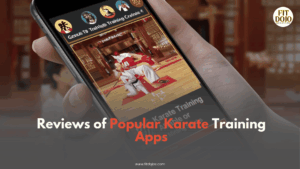
Reviews of Popular Karate Training Apps

FIT DOJOS
Expert Team,
FITDOJOS.COM
Can Karate Training Apps They Really Teach You Martial Arts
Before many beginners step into a real martial arts studio, they try to learn karate from their phones. It usually starts with a late night search for karate classes near me, followed by a download spree of karate training apps and a promise to start tomorrow.
Karate apps are more popular than ever, but do they actually help you build confidence, discipline, fitness, and real self defense skills, or are they just another fitness trend on your home screen.
Summary: Karate apps can make it easier to start training, but not all of them help you grow the right way.
Why Karate Training Apps Are So Popular Right Now
The Modern Problem, Busy Lives and Big Nerves
Most people who search for karate or mixed martial arts are not just chasing a hobby. They want confidence, structure, fitness, or practical self defense skills. The problem is that life is busy and walking into a new dojo can feel intimidating, especially if you are shy, out of shape, or completely new.
Between work, kids, and schedules that never stop, it is easy to say, I will join a class later. A karate app feels like a safer first step. No audience, no judgement, just you and the screen.
How Karate Apps Try to Fill the Gap
Popular karate training apps promise a lot of benefits:
- 📱 Train anywhere and anytime, in your lounge room, garage, or backyard.
- 🙈 No fear of looking silly in front of others while you learn the basics.
- 💰 Often low cost or free compared to ongoing in person classes.
- ⏱ Short, follow along sessions that fit into a busy day.
It is easy to see why many beginners, and even some parents of kids who are unsure about group classes, try an app first.
Summary: Karate apps are popular because they remove the scary first step into a dojo.
What Makes a Good Karate Training App
Clear Technique Demonstrations
A useful karate app shows techniques clearly from different angles, with slow motion or step by step instructions. Beginners should be able to see where the feet, hips, and hands go, not just copy a blurry silhouette.
Beginner Friendly Structure
The better apps break training into levels and modules, for example:
- 🥋 Basic stances and footwork.
- 👊 Simple strikes and blocks.
- 🧘 Breathing and posture awareness.
- 🔁 Short combinations to link movements together.
Motivation and Progress Tracking
Some karate apps include streaks, achievements, reminders, and training logs. These elements help new students stay consistent, instead of giving up after two sessions, which is what often happens without accountability.
Realistic Self Defense Context
Good apps explain when and why you might use a movement in self defense, with an emphasis on awareness, avoidance, and control, not just power and speed. This is especially important for people who are using apps to feel safer in their day to day life.
Summary: A good karate app teaches, guides, and motivates you, not just entertains you.
Reviews of Popular Karate Training Apps
Below is a practical look at common types of karate training apps you might find in your app store. Names are kept general, because new apps appear often, but the strengths and weaknesses are similar across most options.
Karate Basics Trainer, Ideal for Absolute Beginners
This style of app focuses on simple, beginner friendly lessons. You get basic stances, punches, blocks, and short combinations you can follow in your own time.
- ✅ Easy to follow video lessons with clear voice instructions.
- ✅ Short sessions that are perfect for busy adults or parents.
- ❌ Limited depth for students who want to go beyond basics.
- ❌ No assessment of whether you are actually doing the techniques correctly.
Best for: Complete beginners who want to build confidence before joining an in person class.
Kata Companion App, Great for Students Already in a Dojo
These apps are designed to help you remember and refine kata or set patterns. They usually show each sequence from multiple angles, sometimes with written notes.
- ✅ Helpful for memorising kata between dojo sessions.
- ✅ Good reference before gradings or belt tests.
- ❌ Not ideal for people who are not already learning karate in person.
- ❌ Can encourage copying without understanding timing, distance, or power.
Best for: Existing karate students who want extra support at home for their kata practice.
Karate Fitness and Workout Apps
Some apps blend karate inspired movements with cardio and strength training. Think of it as a mix between a workout timer, a shadow boxing routine, and basic martial arts techniques.
- ✅ Great for improving fitness and coordination.
- ✅ Fun, high energy routines you can do in small spaces.
- ❌ Limited focus on technical precision.
- ❌ Not a full replacement for a structured karate curriculum.
Best for: Adults who want a fun workout with a karate flavour without expecting full martial arts education.
Mixed Martial Arts and Self Defense Apps
Some apps cover a blend of striking, grappling concepts, and self defense drills. Parts of these can be useful for karate students who want to understand broader self protection ideas.
- ✅ Exposure to different ranges and scenarios.
- ✅ Helpful for mindset and awareness tips.
- ❌ Often too general and not tailored to a specific style.
- ❌ Very hard to learn safely without expert supervision.
Best for: More experienced students who already train in a dojo and want extra ideas to discuss with instructors.
Summary: Many karate apps are useful, but they are best used as support tools, not full replacements for real training.
Case Study, From App Training to Real Dojo Confidence
The Problem
Sam, a thirty two year old office worker, wanted to feel safer walking home at night and improve fitness. He searched for self defense classes and karate classes near me, but felt nervous about being the most uncoordinated person in the room.
Instead of joining straight away, he downloaded a karate training app and promised himself he would try five minutes a day.
The Solution
For three weeks, Sam practised basic stances, punches, and blocks in his living room. The app helped him learn the names of techniques and get used to the idea of moving his body in new ways.
He said later, I knew the app was not perfect, but it gave me enough confidence to walk into a real class and not feel completely lost.
The Result
When Sam finally joined an in person karate program, the instructor adjusted his posture, showed him how to generate power from his hips, and corrected habits the app could not see. His progress accelerated and he soon felt noticeable improvements in strength, focus, and calmness in stressful situations.
Now he uses the app occasionally for extra conditioning, but relies on dojo training for real skill development.
Summary: Karate apps helped Sam begin, but real coaching helped him grow.
The Limits of Learning Karate Only From an App
No Real Time Feedback
Apps cannot tell if your knee is collapsing inward, your wrist is misaligned, or your stance is too narrow. Without correction, small errors can become big habits, and big habits can lead to frustration or injury.
No Partner Drills or Realistic Reactions
A big part of karate and mixed martial arts is learning timing, distance, and how another person actually moves. Shadow training is useful, but it cannot replace controlled partner drills and supervised sparring in a safe environment.
No Community, No Culture
Karate is not just a solo practice, it is a community. A supportive dojo offers motivation, friendships, and the shared energy of training together. An app cannot clap for you, encourage you, or hold you accountable in the same way.
Higher Risk of Incorrect Technique
When you try to copy movements without guidance, you may use the wrong muscles, hold your breath, or move out of alignment. Over time, that can limit your power, slow your improvement, and increase the chance of aches and pains.
Summary: Apps are useful tools, but they cannot replace a skilled instructor and a real training partner.
Why In Person Karate Training Still Wins
Real Coaches Who See What You Cannot
A qualified instructor can spot tiny details in your movement and give you one cue that instantly makes a technique feel stronger or safer. Those small adjustments are nearly impossible to get from an app alone.
Safer Technique and Injury Prevention
In person training helps protect your joints, posture, and long term health. Instructors can modify drills for kids, beginners, or adults returning to exercise, so everyone learns at the right pace.
Community, Culture, and Confidence
Training in a supportive martial arts studio builds confidence from the inside out. Students bow in together, work in pairs, and celebrate each other’s progress. This is especially powerful for children in kids karate classes and for shy teens and adults.
Faster Progress With Real Feedback
When you combine regular feedback, structured curriculum, and consistent training, progress is smoother and more satisfying than trying to figure things out alone with a phone in your hand.
Summary: A real dojo builds mind, body, and spirit in ways an app simply cannot match.
How Fit Dojo Students Use Apps the Smart Way
Apps as Extra Practice, Not a Replacement
At Fit Dojo, some students use karate training apps for extra practice at home, especially to review basic techniques or kata patterns between classes. The key is that the app supports their learning in the dojo, rather than trying to replace it.
Instructors Correct What Apps Cannot
When students bring questions from an app into class, instructors can explain what applies, what needs adjusting, and what should be avoided. This keeps training safe and aligned with the student’s level and goals.
Tech Plus Dojo Equals Stronger Progress
Used wisely, apps are like flashcards for your karate skills. Real progress still happens on the mats, where you get live feedback, partner work, and coaching. That is why many families pair home practice with programs like our parents and kids classes or adult sessions for busy professionals.
Programs for All Ages and Stages
Whether a child is starting in a structured little kids karate program, a teen wants a challenge, or an adult wants real self defense skills, Fit Dojo provides tailored in person training, while apps serve as a light supplement, not the main meal.
Summary: Apps can support your training, but expert coaching gives your progress real power and direction.
Should You Use Karate Training Apps, Final Thoughts
When Karate Apps Make Sense
Karate training apps are helpful if you want to:
- 📲 Build a little confidence before joining a class.
- 🏡 Practise simple movements at home between sessions.
- 🧠 Remember kata sequences or basic techniques.
- ⏰ Fit quick movement into a busy schedule.
When an App Is Not Enough
If your goal is to learn effective self defense skills, improve technique, and experience the full benefits of karate, you need in person guidance. An app cannot replace a qualified instructor, a structured curriculum, and the energy of a real class.
The Best Combination for Real Progress
The smart approach is simple, use an app as a confidence booster and memory aid, then join a dojo that matches your values and goals. If you want to see what a community focused dojo looks like, you can learn more about Fit Dojo on their about us page and explore beginner friendly options for adults in their adult classes.
Once you combine the convenience of technology with the power of real coaching, your karate journey becomes much more rewarding.
Summary: Use apps to start your journey, but rely on a real dojo to become a martial artist.
Similar post

September 28, 2026
How Martial Arts Develop Leadership Skills

September 10, 2026
Why Sparring Fear Happens Even When You Know the Techniques