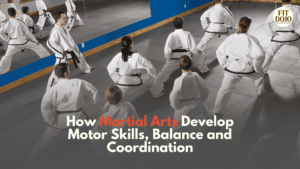
How Martial Arts Develop Motor Skills, Balance and Coordination
FIT DOJOS
Expert Team,
FITDOJOS.COM
Martial Arts Build Motor Skills, Balance and Coordination And Confidence
When 7-year-old Liam first walked into our dojo, he tripped on the edge of the mat. Twice. He was not unathletic, just unsure, shy, and still growing into his body. His parents wanted confidence. Liam just wanted to stop bumping into things.
If you or someone you love wants discipline, fitness, or self-defense skills, you might have already typed “karate classes near me” into Google. But the benefits go far deeper than learning how to throw a punch.
Here is the secret: martial arts are one of the most powerful ways to develop motor skills, balance, and coordination at any age.
One-line summary: The dojo is where confidence and coordination begin.
What Motor Skills Really Are and Why They Matter Today
Motor skills are the brain’s ability to tell the body how to move, whether that is jumping, kicking, or tying a shoelace. There are two main types of motor skills:
- 🦵 Gross motor skills: big actions like running, jumping, and kicking.
- ✋ Fine motor skills: smaller actions like hand position, grip, and wrist control.
Kids today often struggle more with these skills than previous generations. Screens replaced outdoor play. Sitting replaced movement. Confidence and posture both took a hit.
A mentor once said, “Movement is the first language of the brain.” In martial arts, we teach fluency through structured, repetitive, and playful practice.
If you would like to see the type of community behind that practice, you can always learn more about us on our About page.
One-line summary: Better movement means better learning, better posture, and better confidence.
How Martial Arts Build Strong Motor Skills
Repetition and Muscle Memory
Every drill, kata, or pad round creates stronger neural pathways. One credible motor-learning study suggests that structured repetition can improve skill acquisition by up to 30 percent. Martial arts students repeat moves with intention, which accelerates motor skill development in a safe and controlled environment.
- 🥋 Basic stances and blocks slowly become automatic.
- 🥊 Simple punches and kicks turn into smooth combinations.
- ⏱️ The brain learns which muscles to fire and when.
Multi-directional Movement
Unlike many linear sports, martial arts involve constant changes in direction. Students move forward, backward, diagonally, and in rotations. This builds agility and helps the body adapt to unpredictable real-world movement.
- 🔄 Kicks and pivots challenge balance and hip mobility.
- 👣 Footwork patterns improve coordination and reaction time.
- 🧠 The brain learns to manage complex movement under pressure.
Bilateral Training for a Smarter Body
Every technique is trained on both sides of the body. That means students do not just throw a right kick or right punch, they train the left side too. This bilateral approach:
- 🧬 Encourages symmetrical strength and control.
- 🧠 Stimulates both hemispheres of the brain.
- 🚶 Reduces awkwardness and clumsy movement in everyday life.
One-line summary: Technique becomes instinct through smart repetition and multi-directional practice.
Balance The Hidden Superpower Martial Artists Train Every Day
Stance Work as the Foundation
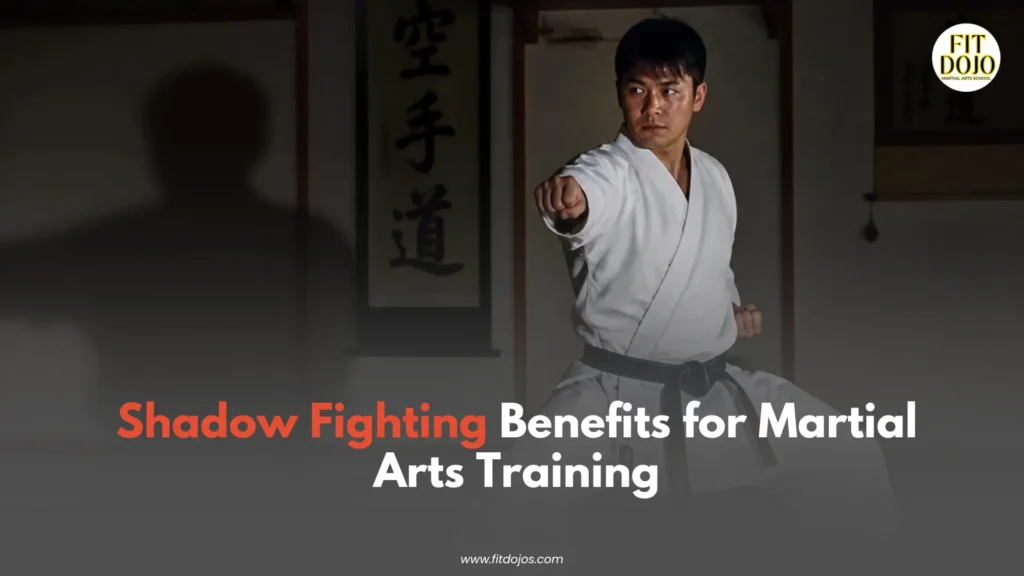
In martial arts, everything begins with stance. Horse stance strengthens the legs. Front stance builds alignment. Cat stance trains dynamic stability. On paper, these positions look simple. In practice, they wake up muscles that have been “sleeping” for years.
Core Strength and Posture
Real balance comes from the core. As students train, they naturally engage their core to stay stable during kicks, turns, and blocks. Over time, posture improves without conscious effort, simply because the body remembers what strong and aligned feels like.
Reactive Balance Under Pressure
Sparring, partner drills, and fast footwork teach students how to recover from wobbles and maintain control when the situation changes quickly. They learn not just how to move, but how not to fall.
Many parents notice their kids stumbling less, standing taller, and moving more confidently, especially when they attend family-focused programs like parents and kids classes.
One-line summary: Strong stance equals strong body, strong posture, and a stronger mind.
Coordination and Body Awareness Turning Clumsy into Controlled Movement
Timing and Rhythm
Holding pads, striking at the right moment, and matching a partner’s movements all build timing skills. Students learn to read subtle cues, anticipate motion, and respond with precision.
Eye Hand Foot Synchronization
Every combination requires the whole body to communicate. A simple block kick punch sequence demands coordination between the eyes, hands, and feet. Over time, the once clumsy student starts to move with flow instead of hesitation.
Breath Linked to Movement
When breathing matches technique, coordination and endurance improve dramatically. Students stop holding their breath, start moving more fluidly, and feel in control of both body and mind.
One-line summary: Coordination turns everyday chaos into smooth, controlled movement.
Case Study Liam’s Journey from Awkward to Agile
The Problem
Liam came to class shy, clumsy, and unsure of himself. He struggled with basic balance, found it hard to coordinate his arms and legs, and got frustrated quickly when he could not get it right.
The Journey
In his first lesson, he could not hold a front stance for more than a few seconds. By week two, he discovered he loved pad kicking. Coaches encouraged him. Teammates cheered him on. The drills were repeated, but never boring, thanks to games and challenges.
The Transformation and Solution
Six months later, Liam’s kicks looked sharp. His balance improved dramatically. He volunteered to lead warm-ups. At school, his teacher noticed better focus, posture, and self-control. Liam did not just learn self-defense skills, he learned to trust his body.
This kind of transformation is common for kids who join kids karate classes and stick with it consistently.
One-line summary: Every confident martial artist once stood exactly where you are right now.
Martial Arts Benefits for Kids and Adults
For Kids Early Childhood Development and Confidence
For parents searching for “karate for kids,” martial arts provide structure, discipline, and positive outlets for energy. The benefits go beyond the mat:
- 🧠 Improved focus and attention span.
- 🤝 Better social skills and teamwork.
- 💪 Stronger coordination, balance, and core strength.
- 😌 Emotional regulation through breathing and routine.
For Adults Functional Fitness and Self-Defense
Adults often join a mixed martial arts dojo or karate class for fitness or self-defense, then stay for the confidence and community. Regular training helps with:
- 🏋️ Functional strength and mobility.
- 🧘 Stress relief through focused movement.
- 🛡️ Practical self-defense skills that build peace of mind.
- 🔥 Increased energy, stamina, and mental toughness.
If you are curious, you can explore what adult sessions look like through dedicated adult martial arts classes.
One-line summary: It is never too early or too late to move better and feel stronger.
How to Choose the Right Martial Arts Studio
Not all martial arts studios are the same. The right environment can make the difference between a short-lived hobby and a life-changing journey.
- 😊 Friendly, qualified instructors who focus on safety, respect, and personal growth.
- 🥋 Age-appropriate classes for little kids, older children, teens, and adults.
- 🤝 A welcoming community that feels like a second family, not just a gym.
- 📍 Convenient location if you are near areas like Rockdale and searching “karate Rockdale” or “karate classes near me.”
Whether you are looking for self-defense classes, a mixed martial arts dojo, or a karate studio for your child, the right dojo should feel like home, just with more high-fives and controlled punching.
One-line summary: The best martial arts studio lifts you up physically, mentally, and emotionally.
Take the First Step Onto the Mat
Whether your goal is confidence, discipline, fitness, or practical self-defense skills, martial arts offer a powerful and proven path forward. Your balance improves. Your coordination sharpens. Your confidence grows more every week.
You might start by searching for “karate classes near me,” “martial arts studio,” or “self-defense classes,” but what you truly find is a place where you or your child can grow.
All it takes is one decision to walk into a dojo and try a class.
One-line summary: Your journey to stronger motor skills, better balance, and real confidence starts with one step onto the mat.
Similar post
September 28, 2026
How Martial Arts Develop Leadership Skills

September 10, 2026
Why Sparring Fear Happens Even When You Know the Techniques